Last updated:
Fuel System Services in Elkridge, MD
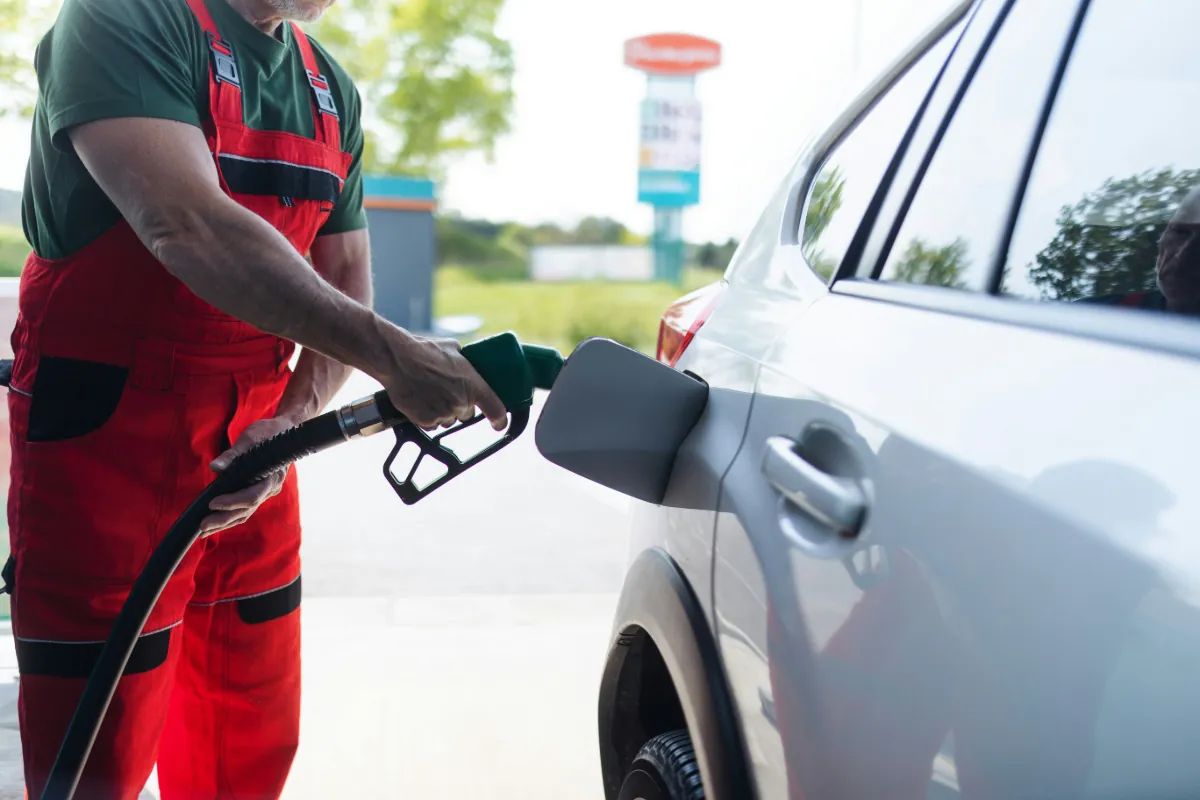
A clean and efficient fuel system is essential for optimal engine performance, fuel economy, and reduced emissions. At API Auto Repair, our Fuel System Cleaning & Repair services are designed to address issues like clogged fuel injectors, dirty fuel filters, or failing fuel pumps. We perform thorough cleaning to remove carbon deposits and contaminants that can hinder fuel delivery, and we repair or replace faulty components. Our services help restore lost power, improve acceleration, eliminate rough idling, and enhance your vehicle's overall fuel efficiency, ensuring your engine receives a consistent and clean supply of fuel.
Modern fuel systems are remarkably sophisticated assemblies that combine high-pressure pumping, precision metering, electronic control, and emissions optimization into one of the most critical engine subsystems. The system stores fuel safely in the tank, pumps it through fuel lines and filters to the engine, meters it through fuel injectors at exact volumes and timing, and atomizes it into combustion chambers where it ignites and produces power. Every component must work within tight tolerances for the engine to run properly. When fuel system components wear, contaminate, or fail, the symptoms range from minor performance reductions to complete engine failure. Modern direct-injection systems operate at fuel pressures of 2,000 to 3,500 PSI — pressures that require specialized service equipment and procedures.
API Auto Repair has been servicing fuel systems in Elkridge for over thirty years. The technology has evolved enormously during that time. Carbureted vehicles required regular adjustment and rebuilding. Throttle body fuel injection from the late 1980s introduced computer control. Multiport fuel injection brought injectors to each cylinder. Direct injection in the 2010s brought entirely new pressure levels and service procedures. Today's vehicles often combine multiple injection technologies — port and direct injection working together on some engines, with sophisticated controls coordinating fuel delivery for optimum performance and emissions. We've kept current with each generation through equipment investment and technical training.
Fuel system problems often present as drivability issues that customers might not immediately associate with the fuel system. Hard starting can be caused by failing fuel pumps, leaking fuel injectors, or fuel pressure regulator problems. Rough idling can come from clogged injectors, vacuum leaks affecting fuel mixture calculations, or fuel pressure problems. Poor fuel economy often traces to fuel system inefficiencies — clogged injectors, contaminated mass airflow sensors causing rich running, or restricted fuel filters. Power loss under acceleration usually involves either fuel delivery issues or air intake restrictions. Diagnosis identifies which subsystem is causing the symptom rather than guessing at common possibilities.
Maryland fuel quality is generally good — major brand stations sell top-tier gasoline that includes detergent additives that help maintain fuel system cleanliness. However, several factors specific to Maryland use create fuel system challenges. Stop-and-go traffic generates incomplete combustion that contributes to carbon buildup on intake valves of direct-injection engines. Maryland's biofuel content (typically 10% ethanol in regular grades, with E15 increasingly available) can attack rubber fuel components in older vehicles. Heat from underhood operation in summer accelerates fuel pump electronics aging. Vehicles operated in these conditions benefit from periodic fuel system service.
Features
Fuel Injector Cleaning
Removing carbon deposits for optimal fuel delivery.
Fuel Filter Replacement
Ensuring clean fuel reaches the engine.
Fuel Pump Diagnostics
Testing and replacing faulty fuel pumps.
Fuel Line Repair
Fixing leaks or damage in fuel lines.
Signs You Need This Service
Hard Starting or Extended Cranking
Engines that crank for several seconds before starting typically have fuel system issues — failing fuel pumps that take time to build pressure, leaking injectors that lose pressure overnight, fuel pressure regulator problems. Diagnosis distinguishes between fuel system causes and ignition causes that produce similar symptoms.
Engine Stalling at Idle or While Driving
Engines that suddenly stall — either at idle or while driving — often have fuel delivery issues. Common causes include weak fuel pumps, clogged fuel filters, failing fuel pressure regulators, or vapor lock from heat issues. Stalling at highway speeds is particularly dangerous and warrants immediate diagnosis.
Decreased Fuel Economy
Fuel economy that's noticeably lower than your vehicle's normal range often traces to fuel system inefficiencies. Clogged injectors don't atomize fuel properly. Carbon buildup on intake valves (direct-injection engines) reduces airflow efficiency. Failing oxygen sensors cause incorrect fuel mixture. Fuel system service often restores significant fuel economy.
Engine Hesitation or Stumbling During Acceleration
Hesitation when pressing the accelerator typically indicates either ignition problems or fuel delivery problems. If ignition components have been recently serviced, fuel system issues are usually the cause. Clogged injectors, weak fuel pumps, or failing throttle position sensors all create acceleration hesitation.
Strong Fuel Smell Around the Vehicle
Detectable fuel smell indicates leakage somewhere in the fuel system — fuel lines, injectors, fuel rail, fuel filter, fuel pump, or fuel tank components. Fuel leaks are dangerous because of fire risk. Strong fuel smell warrants immediate diagnosis to identify and repair the leak source.
Check Engine Light With Fuel-Related Codes
Codes like P0171 (System Too Lean), P0174 (System Too Lean Bank 2), P0173 (Fuel Trim Bank 2), or various injector-specific codes (P0201–P0212) indicate fuel system issues. Diagnosis identifies the underlying cause — sometimes it's vacuum leaks, sometimes fuel system components, sometimes sensor issues affecting fuel calculations.
Black Smoke From Exhaust
Black exhaust smoke indicates engine running rich — too much fuel relative to air. Causes include leaking fuel injectors, failed fuel pressure regulators that cause excessive pressure, or various sensor failures (mass airflow, oxygen, coolant temperature) that cause the computer to over-fuel. Black smoke also damages catalytic converters from continued operation.
Our Service Process
- 1
Customer Symptom Documentation
We discuss the symptoms you've noticed: when did the issue start, under what conditions does it occur, has anything changed recently. Customer descriptions guide diagnostic priorities — symptoms that occur only when cold differ from symptoms that only occur after extended driving.
- 2
Diagnostic Code Scan and Live Data Analysis
We scan all vehicle modules for fuel-related codes, fuel trim values, oxygen sensor data, mass airflow readings, fuel pressure values (when monitored), and other live data. The data reveals whether fuel mixture calculations are correct, whether the system is responding to driver demand properly, and what specific subsystems may be involved.
- 3
Fuel Pressure Testing
Using fuel pressure gauges connected to test ports (modern direct-injection systems have specific test procedures), we measure fuel pressure under various operating conditions: at idle, at higher RPM, during acceleration, after extended running. The readings reveal whether fuel pumps are delivering proper pressure and whether pressure regulators are maintaining proper levels.
- 4
Injector Function and Performance Testing
We test injector function through scan tool commands (firing each injector individually) and through measurement during operation. Some shops have injector testing equipment that measures spray pattern and flow rate; we use scan tool diagnostics combined with live data analysis. Failing injectors are identified by their effect on individual cylinder performance.
- 5
Fuel Filter Inspection (When Accessible)
Older vehicles have inline fuel filters that can be inspected and replaced separately. Many modern vehicles have lifetime filters integrated with the fuel pump that aren't separately serviceable. We identify which type your vehicle has and address filter service appropriately.
- 6
Mass Airflow and Throttle Body Inspection
Fuel system problems are often caused by air intake side issues. Contaminated mass airflow sensors cause incorrect fuel mixture calculations. Carbon-fouled throttle bodies cause idle problems and rough running. We inspect these components and clean or replace as needed.
- 7
Targeted Repair Based on Diagnosis
Based on diagnostic findings, we recommend targeted repair: fuel pump replacement, fuel injector cleaning or replacement, fuel filter replacement, fuel pressure regulator replacement, mass airflow sensor cleaning or replacement, throttle body cleaning, or other specific work. We don't perform unnecessary work; we address what's actually causing the problem.
- 8
Post-Service Verification and Adapt Reset
After service, we verify proper operation through scan tool diagnostics, road test, and live data analysis. We reset adaptive learning parameters where applicable so the engine computer relearns optimal operation with the serviced components. We don't return the vehicle until the symptoms are resolved and no diagnostic codes have returned.
What's Included in This Service
Comprehensive Diagnostic Scan
All vehicle modules scanned; fuel-related codes and live data reviewed.
Fuel Pressure Testing
Fuel pressure measured under various operating conditions to verify pump and regulator function.
Injector Function Testing
Each injector tested through scan tool commands; individual cylinder performance evaluated.
Fuel Injector Cleaning Service
Professional injector cleaning using shop-grade equipment to remove deposits and restore flow.
Throttle Body Cleaning When Indicated
Carbon deposits removed from throttle body to restore proper idle quality.
Mass Airflow Sensor Cleaning When Indicated
Sensor cleaned with appropriate cleaner to restore accurate readings.
Fuel Filter Replacement When Accessible
External filters replaced; integrated filter applications addressed appropriately.
Fuel Pump Replacement When Required
Failed pumps replaced with quality OEM-equivalent components.
EVAP System Inspection
Evaporative emissions system inspected; codes related to fuel vapor leaks addressed.
Post-Service Performance Verification
Road test and live data analysis verify proper operation and absence of related codes.
Why Choose API Auto Repair
Manufacturer-Grade Diagnostic Equipment
Modern fuel system diagnosis requires sophisticated tools — scan tools that read all modules, fuel pressure testers, injector flow testing capability, and live data analysis. We've invested in this equipment because consumer-grade tools simply can't address modern fuel system issues effectively.
Direct Injection Service Capability
Direct-injection systems operate at much higher pressures than port-injection systems and require specific service procedures. We service direct-injection vehicles correctly, including walnut blasting for intake valve carbon cleaning when applicable. Many shops can't service direct-injection vehicles properly.
OEM-Equivalent or OEM Fuel System Components
Cheap aftermarket fuel system parts often cause problems — incorrect spray patterns from generic injectors, weak fuel pumps that don't deliver proper pressure, low-quality filters that allow contamination through. We use quality components from manufacturers like Bosch, Denso, Delphi, Continental, and OEM suppliers.
Honest Diagnosis Avoids Unnecessary Cleaning Services
Some shops sell fuel injection cleaning services as routine maintenance regardless of whether the customer's vehicle actually needs it. We diagnose first. Modern fuel systems with quality fuel and proper filtering often don't need cleaning service — we recommend it when actual conditions warrant rather than as routine upsell.
EVAP System and Emissions Knowledge
Fuel system problems often involve EVAP (evaporative emissions) issues that affect Maryland State Inspection. We diagnose EVAP codes correctly — many of the common codes have multiple possible causes that require careful diagnosis to address properly. Wrong diagnosis leads to repeated repair attempts.
Fuel System Service Pricing in Elkridge, MD
Fuel system service pricing varies based on the specific service required. Fuel injector cleaning service runs $100–$200 for typical vehicles. Fuel filter replacement runs $80–$200 depending on access — modern vehicles with filter integrated with fuel pump are higher because of pump access. Fuel pump replacement is one of the more involved fuel system repairs — typically $500–$1,500 because most pumps are inside the fuel tank and require tank removal or removal of significant body components for access.
Specialty services include walnut blasting for direct-injection intake valve cleaning at $400–$800 depending on engine, carbon cleaning service for general intake system carbon at $200–$400, fuel pressure regulator replacement at $200–$500, and individual injector replacement at $200–$500 per injector for typical applications. Mass airflow sensor replacement is typically $200–$500. Throttle body replacement (when cleaning won't address issues) is typically $400–$900.
Diagnostic services for intermittent or complex fuel system problems run $100–$250 for standard diagnosis, with extended diagnosis available at hourly rates for complex cases. We always quote diagnostic time upfront and credit diagnostic fees toward authorized repairs in most cases. We provide written estimates before any work begins and explain when premium parts justify their cost versus when standard quality is appropriate.
Tips to Extend the Life of Your Service
Use Top-Tier Gasoline When Possible
Top-tier gasoline brands (Shell, Chevron, Exxon, Costco, BP, and others certified to Top Tier standards) include detergent additives that help prevent injector and intake valve carbon buildup. The cost difference per fill-up is minimal compared to the repair costs from carbon-related issues. Over the life of a vehicle, top-tier gasoline often pays for itself in reduced engine maintenance.
Don't Run the Tank Below 1/4 Empty
Running the fuel tank consistently low concentrates contaminants and water (which is heavier than fuel) at the bottom where the fuel pump pickup is located. The fuel pump also relies on fuel for cooling — running on minimal fuel exposes the pump to higher operating temperatures that accelerate wear.
Replace Fuel Filters at Manufacturer Intervals
Fuel filters protect injectors and other downstream components from contamination. Replacement intervals are typically 30,000 to 50,000 miles for vehicles with separately serviceable filters. Vehicles with integrated filters typically don't have specified replacement but warrant attention if drivability issues develop.
Address Check Engine Lights Promptly
Fuel system codes — even when symptoms aren't obvious — should be addressed promptly. Lean running codes can damage catalytic converters. Rich running codes indicate fuel waste and emissions problems. Misfire codes can damage catalysts. Promptly addressing diagnostic codes prevents cascading damage.
Don't Use Aggressive Fuel System Cleaners
Some over-the-counter fuel system cleaners use aggressive chemicals that can damage fuel pump seals, injector internals, or fuel system components in older vehicles. Stick to products from major brands or those specifically recommended for your vehicle. Heavy-duty cleaners aren't always better — sometimes they cause new problems while addressing the original issue.
Consider Walnut Blasting for High-Mileage Direct-Injection Engines
Direct-injection engines past 80,000 to 120,000 miles often benefit from walnut blasting service to remove intake valve carbon buildup. The service is preventive maintenance for these specific engine designs. The cost is moderate ($400–$800) and the performance restoration is often noticeable.
Maintain Air Intake System for Proper Fuel Mixture
The air intake side of the fuel-air mixture matters as much as the fuel side. Replace air filters at recommended intervals. Address vacuum leaks promptly when identified. Keep mass airflow sensors clean and calibrated. Carbon-fouled throttle bodies cleaned periodically. Air system maintenance directly affects fuel system function.
Don't Top Off the Tank After Auto-Stop
Modern fuel pumps shut off automatically when the tank is full. Continuing to add fuel after the auto-stop activates can damage the EVAP system and cause fuel system codes. The extra fuel may also splash out from the filler neck. The auto-stop is calibrated for proper tank capacity; respect it.
Tighten Gas Cap Until It Clicks
Most gas caps are designed to click multiple times when properly tightened. Loose gas caps trigger evaporative emissions codes (P0440 series) and waste fuel through evaporation. Tighten until you hear at least three clicks to ensure proper sealing.
Replace Vehicle's Cap Every 5–7 Years
Gas caps wear out over time. The rubber seal degrades, the locking mechanism wears, and the venting valve can fail. Replacement caps cost $15–$40 and address potential EVAP system issues. Consider replacement after 5 to 7 years even without obvious failure.
Avoid Refueling at Stations Receiving Fuel Delivery
When tanker trucks deliver fuel to stations, sediment in the underground storage tanks gets stirred up. Filling your vehicle during or shortly after delivery (typically obvious from the tanker truck's presence) can introduce contaminants into your fuel system. Wait until later or use a different station.
Document Major Fuel System Service
Fuel pump replacement, fuel filter service, and major injector work should be documented in your vehicle service records. The documentation supports warranty claims, helps with future diagnosis, and adds value to the vehicle when sold. We provide detailed service documentation as part of every fuel system repair.
Be Cautious With Aftermarket Performance Tunes
Aftermarket performance tuning can increase fuel system demands beyond stock specifications. Tunes that increase fuel pressure, fuel volume, or boost on turbocharged engines may exceed the design margins of stock fuel pumps and injectors. Performance tunes warrant fuel system upgrades or careful monitoring to prevent component failures.
Service Fuel System on Vehicles That Sit Unused
Vehicles that sit for extended periods can develop fuel system issues from stale fuel, varnish deposits in injectors, and dried-out seals. Before returning a long-stored vehicle to service, fuel system inspection and possibly cleaning is appropriate. Stabilized fuel additives help during storage but don't fully prevent all issues.
Serving Elkridge & Howard County, MD
Howard County's stop-and-go traffic on I-95, I-695, US-1, and Route 100 creates conditions that contribute to fuel system carbon buildup. Vehicles spending significant time at idle or low speeds don't reach the operating temperatures that help maintain combustion efficiency. We see Howard County commuter vehicles needing fuel system service somewhat earlier than vehicles used primarily for highway driving in less congested areas.
Maryland's biofuel mandates require gasoline to contain ethanol — typically 10% in regular grades, with E15 (15% ethanol) increasingly available at certain stations. Ethanol can damage rubber fuel system components in older vehicles not designed for it. Customers with classic vehicles or specific older models should verify fuel compatibility — we can advise on what fuel types are appropriate for vehicles older than ethanol-compatible designs.
We work with several Howard County customers who own diesel vehicles — both light-duty diesel pickups and small commercial diesels. Diesel fuel systems have unique service considerations including fuel filter water separators, fuel quality concerns specific to diesel, and DEF (diesel exhaust fluid) system maintenance on modern diesels. We service diesel fuel systems with appropriate equipment and procedures.
Direct Injection Maintenance: A Modern Engine Reality
Direct injection has become the dominant fuel injection technology on modern vehicles, with most engines built since approximately 2012 using direct injection or hybrid port-and-direct injection. The technology offers significant advantages: more precise fuel control, better fuel economy, higher power output per liter of displacement, and improved emissions performance. The trade-off is that direct injection creates a maintenance issue that didn't exist on port-injection engines: intake valve carbon buildup.
On port-injection engines, fuel sprays into the intake port just before the intake valve. As the fuel washes over the back of the valve and into the cylinder, it cleans the valve face — keeping carbon deposits from accumulating. This natural cleaning happens every time the engine runs. Direct-injection engines spray fuel directly into the combustion chamber, completely bypassing the intake valves. The valves never get the cleaning effect that port injection provides.
Carbon buildup on direct-injection intake valves accumulates from oil vapor in the PCV system (which routes through the intake), exhaust gas recirculation deposits, and combustion byproducts that find their way back to the intake. The buildup is gradual but predictable — most direct-injection engines accumulate noticeable carbon by 60,000 to 100,000 miles, with severe accumulation by 120,000 to 150,000 miles. Symptoms include rough idling, hesitation during acceleration, decreased fuel economy, misfire codes from specific cylinders, and reduced power output.
The standard treatment is walnut blasting — using a vacuum-equipped tool to blast crushed walnut shells against carbon deposits, then vacuuming the abrasive media out before reassembly. The walnut shells are abrasive enough to remove carbon but soft enough not to damage valves. The service takes 4 to 6 hours and runs $400 to $800 depending on engine accessibility. We perform walnut blasting on direct-injection engines when carbon buildup is causing performance issues or as preventive maintenance on high-mileage engines.
Fuel Pump Failures and Replacement Strategies
Modern fuel pumps are typically located inside the fuel tank, immersed in fuel for cooling. The in-tank location complicates service because tank access requires either removing the fuel tank entirely or accessing through a service panel in the floor when one exists. The labor intensity affects fuel pump replacement cost more than the parts cost — a $200 fuel pump can require $400 to $800 in labor to replace depending on vehicle.
Fuel pumps fail through several common mechanisms. Heat damage from running with low fuel levels (the pump relies on fuel for cooling) accelerates motor wear. Contamination from low-quality fuel or sediment in the tank wears pump internals. Electrical issues — voltage drops, ground problems, or relay failures — can damage pump motors. Age-related wear gradually reduces pump output even without specific failure events. Symptoms include hard starting, low power under acceleration, stalling at higher speeds, and eventually complete failure.
When replacing fuel pumps, several considerations affect repair quality. Quality matters significantly — OEM and OEM-equivalent pumps from Bosch, Denso, Delphi, and similar manufacturers typically last 100,000 to 150,000 miles. Cheap aftermarket pumps often fail within 20,000 to 50,000 miles, requiring repeat service that erases any savings. We use quality pumps and explain the cost difference honestly to customers.
When the fuel tank is removed for pump replacement, additional service becomes practical at minimal additional labor cost. Tank inspection for sediment or rust, fuel level sender replacement (often integrated with the pump assembly), fuel pressure regulator service if external, and fuel filter replacement (where integrated with the pump). Performing related service during pump replacement avoids labor duplication and addresses related components that may be approaching failure.
Understanding Fuel System Codes: What They Really Mean
Fuel system diagnostic codes can be misleading because the codes describe symptoms more than causes. P0171 (System Too Lean Bank 1) literally means the engine is running with insufficient fuel relative to air, but the underlying cause can be many different things: vacuum leaks allowing unmeasured air into the engine, failed mass airflow sensors providing incorrect air quantity readings, weak fuel pumps delivering insufficient fuel, clogged fuel filters restricting fuel flow, contaminated oxygen sensors providing inaccurate feedback, and various others.
Diagnosing these codes correctly requires combining the code with live data analysis, physical inspection, and sometimes targeted testing. Lean codes with symptoms only at idle often indicate vacuum leaks. Lean codes with symptoms at higher loads often indicate fuel delivery issues. Lean codes that vary with temperature often indicate sensor issues. Lean codes that appear after specific repairs often indicate something disrupted during the previous service. Pattern recognition helps narrow possibilities quickly.
Some fuel system codes have multiple variants that point to specific issues. P0440 series codes (EVAP system codes) include P0440 (general EVAP), P0441 (purge flow), P0442 (small leak), P0455 (large leak), P0456 (small leak), and others. Each points to slightly different conditions in the evaporative emissions system. Diagnosis distinguishes between gas cap issues, hose leaks, vapor canister problems, and purge solenoid failures.
Misfire codes (P0300 random misfire, P0301-P0312 cylinder-specific misfires) often involve fuel system issues. Cylinder-specific misfires can be ignition-related (spark plug, ignition coil) or fuel-related (injector, fuel delivery to that cylinder). We diagnose misfires through systematic testing — switching ignition components between cylinders to see if the misfire follows, scoping injector waveforms, and analyzing fuel trim data per cylinder. The right diagnostic approach distinguishes ignition from fuel issues efficiently.
Fuel Injectors: Cleaning vs Replacement Decision
When fuel injector problems are diagnosed, the choice between cleaning and replacement depends on several factors. Modern fuel injectors can develop deposits that restrict fuel flow, cause uneven spray patterns, or prevent proper sealing when closed. Light to moderate deposits typically respond well to professional cleaning service — running specialized cleaning solvents through the injectors while connected to specific cleaning equipment. The cleaning often restores proper function at fraction of replacement cost.
Cleaning is most effective on injectors with carbon or varnish deposits but functional internal components. Cleaning won't address mechanical failures — failed solenoids, internal cracks, worn nozzles, or completely clogged injectors. The shop's diagnostic process should distinguish between cleaning candidates and replacement candidates before performing service. Cleaning service that doesn't address the underlying issue wastes money without solving the problem.
Direct-injection injectors are more challenging to clean than port-injection injectors because of the higher pressures involved and the more compact spray geometry. Some direct-injection injectors can be cleaned in place; others require removal for proper service. Some replacement is more cost-effective than removal for cleaning. The labor calculation varies by engine accessibility.
Replacement individual injectors versus replacing as a set is another decision. If one injector has failed at high mileage, the others have similar age and exposure. Replacing all injectors as a set ensures consistent operation and prevents the situation of replacing one injector now and another in 20,000 miles. Cost-conscious customers might choose individual replacement, but the labor duplication often makes set replacement more economical over the long term.
Fuel Quality and Why It Matters for Your Vehicle
Not all gasoline is created equal. Top Tier gasoline standard, established by major automakers in 2004, requires fuel to contain detergent additives at higher concentrations than minimum EPA requirements. Top Tier fuels prevent injector and intake valve carbon buildup that lower-quality fuels allow to accumulate. Major brands certified as Top Tier include Shell, Chevron, Exxon, Costco, BP, ARCO, Phillips 66, Conoco, Sunoco, Texaco, and many others. The difference matters more on direct-injection engines that are particularly susceptible to carbon buildup.
Octane rating affects which fuel grade is appropriate for your vehicle. Regular gasoline (87 octane) is appropriate for most vehicles. Mid-grade (89 octane) is rarely required by manufacturer specifications. Premium (91-93 octane) is required by performance engines, turbocharged vehicles, and luxury vehicles with high-compression engines. Using regular gas in vehicles requiring premium causes engine knock that can damage components over time. Using premium gas in vehicles requiring regular wastes money — there's no benefit unless the engine is designed to take advantage of higher octane.
Ethanol content matters for some vehicles. Standard E10 gasoline (10% ethanol) is fine for almost all modern vehicles. E15 (15% ethanol) is approved for 2001-and-newer vehicles but not all older vehicles. E85 (85% ethanol) is only for flex-fuel vehicles specifically designed for it. Vehicles older than 2001 may have rubber fuel system components incompatible with ethanol — using high-ethanol fuel accelerates fuel system component degradation in these vehicles. Classic vehicles in particular benefit from non-ethanol gasoline (sometimes available at marina pumps or specialty stations).
Diesel fuel quality also varies significantly. Modern ultra-low-sulfur diesel (ULSD) has been mandatory since 2010 for on-road diesel fuel, but biodiesel content can vary from 0% (B0) to 20% (B20) or higher. Biodiesel improves emissions but degrades faster in storage and can affect fuel system seals on older diesel vehicles. We advise diesel customers about appropriate fuel grades and additive use based on their specific vehicle and operating conditions.
Related Services
Engine Tune-Up in Elkridge, MD
Boost performance and fuel efficiency with an engine tune-up at API Auto Repair in Elkridge, MD.
Check Engine Light Diagnostics in Elkridge, MD
Don’t ignore your check engine light. Get accurate diagnostics at API Auto Repair in Elkridge, MD today.
Exhaust & Muffler Repair in Elkridge, MD
Noisy exhaust? API Auto Repair in Elkridge, MD fixes mufflers, pipes, and emissions systems.
Oil Change Services in Elkridge, MD
Fast, reliable oil change service in Elkridge, MD. Visit API Auto Repair for same-day service.
Certified Maryland State Inspections in Elkridge
Need a Maryland state inspection? Visit API Auto Repair in Elkridge for fast, certified service.
Got Questions?