Last updated:
Wiper Blade & Light Replacement in Elkridge, MD
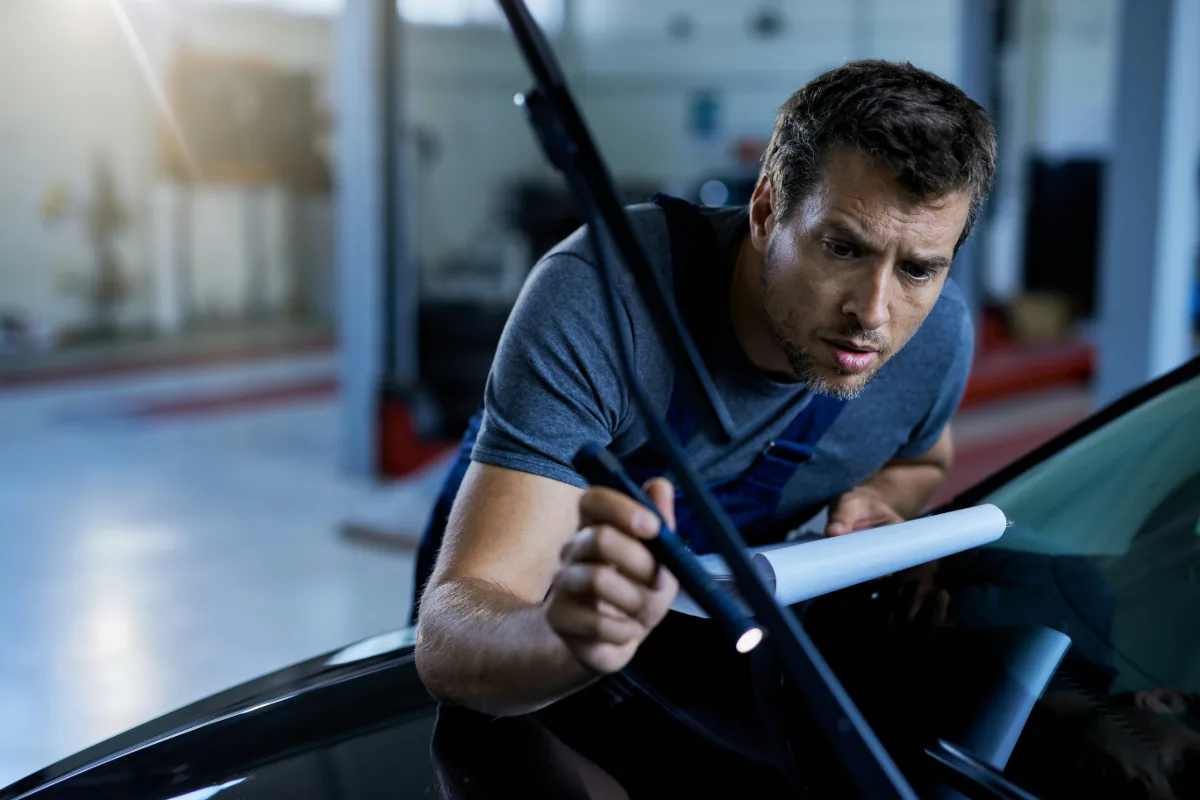
Clear visibility is paramount for safe driving, especially during adverse weather conditions or at night. At API Auto Repair, we offer quick and efficient Windshield Wiper & Light Replacement services to ensure your vehicle provides optimal visibility. We replace worn or streaking wiper blades with high-quality, durable options that provide clear, streak-free wipes. Additionally, we replace dim, burnt-out, or flickering headlights, taillights, brake lights, and interior lights, ensuring you can see clearly and are visible to other drivers. Trust us to keep your vision unobstructed and your vehicle safely illuminated.
Visibility is one of the most underappreciated safety factors in driving. Headlights that don't illuminate properly, wiper blades that streak across the windshield, brake lights that don't work — each compromise reduces your ability to see and be seen on the road. The components that maintain visibility are simple and inexpensive individually, but their cumulative impact on driving safety is significant. Worn wiper blades that streak in heavy rain can reduce visibility to the point where driving becomes dangerous. Burned-out brake lights mean drivers behind you have no warning when you're slowing down. Dim headlights reduce your ability to see hazards in time to react.
API Auto Repair has been replacing wipers, light bulbs, and visibility components in Elkridge for over thirty years. These services are quick — most replacements take 5 to 30 minutes — but the impact on safety is significant. We stock major brand wiper blades sized for virtually every vehicle. We stock common bulb types and order specialty bulbs as needed. We have the tools and experience to replace bulbs that some shops won't touch — sealed beam headlights, vehicles requiring bumper or fender removal for access, and modern LED housings that require specific procedures.
Maryland weather creates significant demands on visibility components. Heavy rain during summer thunderstorms requires effective wipers — streaking blades can reduce visibility to dangerous levels in minutes. Snow and ice during winter require effective defrost systems, working wipers, and intact headlights to navigate safely. Pollen accumulation during spring requires regular wiper use that wears blades faster than other seasons. The cumulative impact of Maryland weather typically requires wiper blade replacement every 6 to 12 months for vehicles parked outdoors and every 12 to 18 months for garaged vehicles.
Beyond the safety implications, several visibility-related issues affect Maryland State Inspection compliance. Inoperative headlights, brake lights, turn signals, and taillights all fail inspection. Windshield damage in the driver's primary viewing area fails inspection. Severely scratched or hazed headlight lenses that significantly reduce light output can fail inspection. Windshield wipers that don't effectively clear the windshield fail inspection. We address these items as part of comprehensive visibility service, often during the same visit as other maintenance.
Features
Wiper Blade Replacement
Installing new wiper blades for clear visibility.
Headlight Replacement
Replacing dim or burnt-out headlights.
Tail Light Repair
Fixing issues with rear lighting for safety.
Interior Light Repair
Addressing problems with cabin lighting.
Signs You Need This Service
Streaking, Skipping, or Squeaking Wipers
Wipers that streak (leave water film), skip (chatter across the windshield), or squeak indicate worn rubber blades. The rubber edges become hard, develop micro-cracks, or break unevenly with age. Replacement is essential for safe driving — heavily worn wipers can fail completely during heavy rain when you need them most.
Burned-Out Headlight, Tail Light, or Brake Light
Any inoperative exterior light reduces vehicle visibility and may be a Maryland State Inspection failure. Walk around your vehicle weekly with the lights on (have someone help check brake lights) to identify burnouts. Most bulbs are inexpensive ($5–$30) but waiting until they're caught by police or inspection is more expensive.
Dim or Yellowed Headlights
Original headlight lenses oxidize over time, becoming yellowed and reducing light output significantly. Severely degraded lenses can reduce effective light output by 70% compared to new lenses. Headlight restoration (lens polishing) typically restores most of the original output at a fraction of replacement cost.
Flickering or Intermittent Lights
Lights that flicker or work intermittently typically indicate either failing bulb (gradually losing connection) or wiring/socket issues (corroded connections, damaged wiring). The fix depends on the cause — sometimes a new bulb resolves it, sometimes wiring repair is required.
Wipers Don't Reach the Top of the Windshield
Wiper arms that don't fully sweep the windshield indicate either worn arm pivots, broken wiper transmission components, or improperly installed wiper blades. The unswept area at the top of the windshield is exactly where you need maximum visibility for hazard awareness — get wiper coverage corrected promptly.
Windshield Cracks or Chips
Windshield damage in the driver's primary viewing area fails Maryland State Inspection. Even small chips can spread into larger cracks under temperature changes or impact. Many small chips can be repaired with windshield repair injection ($50–$100) that's far cheaper than full windshield replacement ($300–$1,500).
Fog Lights, Daytime Running Lights, or License Plate Lights Not Working
Smaller exterior lights are often overlooked but matter for both safety and inspection compliance. License plate bulbs are the most commonly missed — burned-out license plate lights are common reasons for traffic stops in addition to inspection failures. Check all exterior lights monthly, not just headlights and brake lights.
Our Service Process
- 1
Visibility Component Inspection
We inspect all visibility-related components: wiper blades and arm operation, all exterior lights with engine running, headlight lens condition, windshield for chips and cracks, mirrors for proper attachment and adjustment, washer fluid level and washer spray pattern, and any related items like windshield rain sensors or automatic light controls.
- 2
Wiper Blade Selection
We identify the correct blade sizes for your specific vehicle and discuss blade quality options. Standard blades work well for typical use; premium beam-style blades provide better performance in heavy rain and ice; specialty applications (large trucks, vehicles with rain sensors) may require specific blade types.
- 3
Wiper Blade Replacement
Most blade replacements take 5 to 10 minutes. We remove old blades carefully to avoid windshield scratching, install new blades with proper attachment to wiper arms, and verify proper operation through several wipe cycles. We also test washer spray pattern and adjust nozzles if needed for proper coverage.
- 4
Light Bulb Identification
Modern vehicles use various bulb types — halogen H1, H4, H7, H11, H13, 9005, 9006 and many others; HID systems with separate ballasts; LED systems that may be integrated into housings. We identify the correct bulb type for each light, considering OEM specification and any vehicle-specific requirements.
- 5
Light Bulb Replacement
Bulb replacement complexity varies enormously by vehicle. Some vehicles have easily accessible bulbs that take 5 minutes per side. Others require bumper removal, fender liner removal, or removing other components for access — an hour or more per side. We have experience with the various access procedures and the right tools to perform the work without damaging surrounding components.
- 6
Headlight Aim Verification
After bulb replacement, we verify proper headlight aim — a critical safety factor. Improperly aimed headlights can blind oncoming drivers or fail to properly illuminate the road ahead. We check aim using available adjustment screws and reference points; some vehicles require dealer-grade aim equipment that we'll let you know about if applicable.
- 7
Headlight Restoration When Indicated
If headlight lenses are yellowed or oxidized, lens polishing service often restores most of the original light output. We use professional restoration kits that remove oxidation and apply UV-resistant coatings. The service takes 30 to 60 minutes per pair and produces dramatic improvement on degraded lenses.
- 8
Final Operation Verification
After all work is complete, we verify proper operation: all exterior lights tested with appropriate switch positions, wipers tested through full speed range, washer system tested for proper spray pattern, brake lights tested with brake pedal application, turn signals tested in both directions, and dashboard warning lights verified for absence of related codes.
What's Included in This Service
Comprehensive Visibility Component Inspection
All wipers, lights, windshield, mirrors, and washer system inspected.
Wiper Blade Replacement
Driver, passenger, and rear blades replaced with quality blades sized for your specific vehicle.
Headlight Bulb Replacement
Halogen, HID, or LED bulbs replaced with appropriate type and proper installation.
Tail Light, Brake Light, and Turn Signal Replacement
Rear lighting bulbs replaced as needed; sockets cleaned to prevent recurrence.
License Plate Bulb Replacement
Often-overlooked plate bulbs verified and replaced as needed.
Side Marker and Reflector Light Service
Side marker bulbs and reflector lighting verified for proper operation.
Headlight Aim Verification
Aim checked after bulb replacement; adjusted as needed for proper road illumination.
Headlight Lens Restoration When Indicated
Yellowed or oxidized lenses polished to restore original light output.
Windshield Washer System Service
Washer fluid topped off; spray pattern adjusted; washer pump verified for proper operation.
Final Operation Verification
All visibility systems tested for proper operation before vehicle is returned.
Why Choose API Auto Repair
Quality Wiper Blades, Not Bargain Bin
Cheap wiper blades streak almost immediately and need replacement within months. We use quality blades from Bosch, Rain-X, ANCO, Trico, and other reputable manufacturers — they last longer, perform better in heavy rain, and provide quieter operation. The price difference between bargain and quality blades is small; the performance difference is significant.
Bulb Replacement Including Difficult Access
Some vehicles require removing bumpers, fender liners, or other components for headlight bulb access. Many shops won't perform these replacements or charge premium prices for them. We have experience with the various access procedures and perform the work efficiently. We tell you upfront if your vehicle has difficult access so you can plan accordingly.
Headlight Restoration Service
We offer professional headlight restoration that polishes oxidized lenses and applies UV-resistant coatings. The service is dramatically cheaper than headlight assembly replacement and typically restores most of the original light output. Customers regularly tell us the headlight restoration was the most noticeable safety improvement they've made on their vehicle.
Maryland State Inspection Compliance Knowledge
We know Maryland's specific requirements for lighting and visibility components. Pre-inspection visibility service prevents inspection failures from these common items. We can address visibility issues during the same visit as inspection service or as standalone preventive service.
Same-Day Service for Most Items
Wiper blades and most bulb replacements are completed within 30 minutes. Walk-in service is available during business hours when schedule allows. For more involved replacements (headlight assemblies requiring bumper removal, headlight restoration), appointments are typically the same day or next day.
Wiper and Light Replacement Pricing in Elkridge, MD
Wiper blade replacement runs $20–$45 per blade installed for standard blades, $35–$75 per blade for premium beam-style blades. Most vehicles have two front wipers and one rear wiper. Specialty applications (large vehicles with longer blade lengths, vehicles with hidden wipers, classic vehicles requiring period-correct blades) may run higher. We always quote complete pricing for all wiper blades on your vehicle when you schedule service.
Light bulb replacement varies significantly. Easy-access halogen bulbs run $25–$80 each installed. HID bulbs run $80–$200 each installed. LED replacements vary widely — $60–$300 each depending on quality and integration complexity. Vehicles requiring bumper or fender removal for headlight access add $30–$100 in labor depending on the specific access procedure. Full headlight assembly replacement (when restoration won't address damage) runs $150–$1,000+ depending on whether the assembly is OEM or aftermarket.
Headlight lens restoration runs $80–$150 per pair, with results that typically last 12 to 24 months before requiring re-polishing on outdoor vehicles. The restoration is dramatically cheaper than full headlight replacement and typically restores 80–95% of original light output on lenses that aren't severely damaged. Windshield chip repair runs $50–$100 per chip. Windshield replacement runs $300–$1,500 depending on vehicle, glass quality (OEM vs aftermarket), and any integrated technology like rain sensors or driver assistance camera mounts.
Tips to Extend the Life of Your Service
Replace Wipers Every 6–12 Months
Maryland's weather wears wiper blades faster than milder climates. Replace blades when they begin streaking or skipping rather than waiting for complete failure. Keep a spare set in the vehicle for emergency replacement during long trips. The cost of new blades is far less than the safety risk of failing wipers in heavy rain.
Clean Wiper Blade Edges Periodically
Cleaning wiper blade rubber edges with rubbing alcohol or wiper cleaner removes accumulated film that causes streaking. Regular cleaning extends blade life by months. Keep cleaning supplies in your vehicle for quick wipe-downs at gas stations.
Inspect All Lights Monthly
Walk around your vehicle monthly with lights on to identify any burnouts. Have someone watch brake lights while you press the brake pedal. Identify burnouts before they fail Maryland State Inspection or become traffic stop reasons. Replacement bulbs are inexpensive but only if you know which ones need replacing.
Address Headlight Yellowing Early
Headlight oxidation progresses gradually. Restoring lenses when yellowing first becomes noticeable is much easier and more effective than waiting until lenses are severely degraded. Once UV damage has penetrated deeply into the lens, restoration becomes less effective and headlight assembly replacement may be required.
Use Quality Headlight Bulbs
Cheap aftermarket headlight bulbs may produce harsh light, fail prematurely, or actually produce less effective road illumination than OEM-quality bulbs. Stick with quality manufacturers (Sylvania, Philips, Osram, GE) and avoid bulbs that promise extreme brightness improvements with no engineering basis.
Wash Headlights and Windshield Regularly
Dirty headlights and windshields significantly reduce visibility. Regular washing — particularly during pollen season and after road trips — maintains visibility without expensive service. Bug deposits on lenses are particularly problematic; remove them promptly before they bake on permanently.
Replace Wipers in Pairs
Front wipers should be replaced as a pair even when only one shows obvious wear. Both blades have similar exposure and wear at similar rates; replacing only one means the other will need replacement soon. Pair replacement also prevents the asymmetric performance of new blade on one side, worn on the other.
Address Headlight Aim After Suspension Work
Suspension work that affects ride height — strut replacement, lift kits, lowering springs, heavy load changes — affects headlight aim. After significant suspension work, verify headlight aim and adjust as needed. Improperly aimed headlights compromise visibility for you and create hazards for oncoming drivers.
Use Rain-Repellent Windshield Treatment
Products like Rain-X and similar windshield treatments cause water to bead and roll off rather than spreading across the windshield. They improve visibility in heavy rain and reduce wiper workload. Apply per product instructions and reapply periodically (typically every few months) for sustained benefit.
Keep Spare Bulbs in the Vehicle
Keeping spare bulbs (headlight, brake light, license plate) in the vehicle allows quick roadside replacement when one fails during travel. The cost is minimal — $20–$60 for a complete spare set — and the convenience of fixing a problem immediately rather than waiting for shop service is significant.
Check Washer Fluid Level Monthly
Washer fluid is essential for visibility maintenance. Top off monthly during peak use seasons (winter for slush/salt, summer for bug splatter). Use winter-formulated fluid during cold months to prevent freezing in the lines and on the windshield.
Don't Use Wipers on Dry Windshield
Running wipers on a dry windshield rapidly wears the rubber blade edges and can scratch the windshield with debris. Always use washer fluid or wait for natural moisture before activating wipers. The few seconds of waiting prevents accelerated blade wear.
Lift Wiper Arms Off Windshield Before Snow
Before parking outdoors during snow events, lift wiper arms away from the windshield. This prevents the blades from freezing to the glass overnight, which damages blades when the wipers activate. The few seconds spent lifting arms prevents blade replacement after every snow event.
Test Wipers Before Each Drive
A quick wiper test before driving identifies any issues before you're driving in conditions where wipers are essential. The test takes 5 seconds and verifies blades engage properly, sweep the windshield correctly, and don't have any obvious damage from overnight conditions.
Address Cracks Before They Spread
Small windshield chips spread into larger cracks when temperature changes, road impacts, or stress events affect the glass. Cracks that started as small chips often spread within days or weeks of forming. Repair small chips immediately ($50–$100 typically) rather than waiting for them to grow into cracks requiring full windshield replacement.
Use Quality Bulbs for Long Life
Cheap bulbs may save $5–$10 versus quality bulbs but typically fail within months versus years for quality alternatives. Use Sylvania, Philips, Osram, or GE bulbs from reputable retailers — the labor cost of replacement makes quality bulbs the better economic choice.
Avoid Touching Halogen Bulb Glass
Oils from your fingers cause halogen bulbs to overheat and fail prematurely. Always handle halogen bulbs by their plastic or metal bases. If you accidentally touch the glass, wipe the bulb with rubbing alcohol before installation. This simple practice can double or triple bulb life.
Serving Elkridge & Howard County, MD
Maryland's pollen season (typically March through May) is brutal for windshields and wipers. Heavy yellow pine pollen coats vehicles, requiring extensive wiper use that wears blades faster than other seasons. We see significant wiper service traffic during late spring as customers replace blades worn from pollen-heavy operation. Pre-pollen-season replacement is good preventive practice.
Howard County's combination of suburban and highway driving creates predictable bulb wear patterns. Vehicles on I-95 and US-1 commutes use headlights more during early morning winter commutes than vehicles with shorter daytime-only commutes. Heavy headlight use accelerates bulb aging through repeated thermal cycling. We see slightly higher rates of headlight bulb failure on commuter vehicles than on vehicles primarily used during daylight hours.
Maryland's frequent thunderstorm activity during summer creates conditions where wiper performance is safety-critical. Severe storms can drop visibility from clear to nearly zero within minutes; failing wipers in these conditions can be dangerous. We particularly recommend pre-summer wiper replacement for customers who haven't replaced blades within the past 12 months, regardless of apparent blade condition.
Headlight Technology: Halogen, HID, and LED Compared
Headlight technology has evolved dramatically over the past two decades, with three primary technologies in use today. Halogen bulbs are the traditional design — a tungsten filament inside a halogen-gas-filled bulb. They're inexpensive, easy to replace, and work well in cold weather but consume more power than newer technologies and produce yellower light. Most vehicles built before 2010 used halogen headlights; many budget-oriented vehicles still use halogen today.
HID (High-Intensity Discharge) bulbs use an arc of electricity through xenon gas to produce light. HID bulbs produce more lumens per watt than halogen, run cooler, and produce whiter light closer to natural daylight. They were the premium headlight technology from the late 1990s through about 2015 on luxury and performance vehicles. HID systems require ballasts (electronic devices that step up voltage to start the arc) and sometimes igniters, adding complexity and cost. HID bulbs typically last 2,000 to 3,000 hours of operation.
LED (Light Emitting Diode) headlights have become the dominant technology on new vehicles. LEDs produce the most lumens per watt, last 15,000 to 25,000 hours, run cool, and offer design flexibility for projector and matrix designs. LED technology has gotten dramatically cheaper, making LED headlights standard equipment on many mainstream vehicles by 2020. LED headlights are typically integrated into the headlight assembly rather than being replaceable bulbs — replacement involves the entire assembly when LEDs fail.
When choosing replacement headlight technology for older vehicles, several considerations matter. Direct LED replacements for halogen housings are available but produce variable results — some replacement LED bulbs work well in halogen housings while others produce poor beam patterns that don't illuminate the road properly and may blind oncoming drivers. We test LED conversions for proper beam patterns before completing service. Direct HID retrofits to halogen housings are generally not recommended because the original housing wasn't designed for HID's different light source geometry.
Wiper Blade Selection: Standard vs Beam vs Hybrid
Wiper blade design has evolved significantly from the traditional bracket-style design that dominated for decades. Modern beam-style blades use a curved spring-steel structure rather than a metal bracket — they apply more uniform pressure across the windshield, perform better at highway speeds (less lifting from wind pressure), and have no exposed bracket to ice up in winter conditions. Beam blades are more expensive than traditional bracket blades but their performance advantages are real.
Hybrid blades combine elements of both designs — internal beam structure with an aerodynamic cover that resembles bracket-style blade externally. Hybrids offer some of the performance benefits of beam blades with the visual familiarity of traditional designs. They're priced between standard bracket blades and full beam blades. Some manufacturers' hybrid designs perform nearly as well as their beam designs at lower cost.
Specialty wiper considerations apply for some vehicles. Vehicles with rain sensors require blades with specific characteristics that don't interfere with sensor operation. Rear wipers on hatchbacks and SUVs use different blade designs than front wipers and require specific replacement parts. Some commercial and specialty vehicles use heavy-duty blades with reinforced construction for durability under harsh conditions. We identify the correct blade type for each vehicle and explain options when multiple choices are appropriate.
Winter wiper blades — designed specifically for cold-weather use — use rubber compounds that stay flexible at low temperatures and feature enclosed construction that prevents ice accumulation in the blade structure. They cost slightly more than standard all-season blades but perform much better during winter weather. For Maryland customers who drive significantly during snow events, winter blades are worth considering for the cold months.
Headlight Restoration: When and Why It Works
Headlight restoration addresses lens oxidation that progressively reduces light output on vehicles 5 years or older. Original headlight lenses from manufacturers include UV-resistant coatings that prevent oxidation. Over time, these coatings degrade — exposed to sun, weather, road chemicals, and other environmental factors. Once the coating fails, the polycarbonate lens itself begins oxidizing, becoming progressively yellow and hazy.
Light output reduction from oxidized lenses is dramatic. Tests have shown that severely degraded lenses can reduce effective light output by 70% or more compared to new lenses. Drivers don't always notice the gradual decline — they adapt to the dimmer light without realizing how compromised their visibility has become. Headlight restoration removes the oxidized layer and applies new UV-resistant coating, often restoring 80–95% of original light output.
The restoration process involves wet sanding with progressively finer abrasives to remove oxidation, polishing the lens surface to restore clarity, and applying a UV-resistant clear coating to prevent recurrence. The coating is critical — without it, restored lenses begin re-oxidizing within weeks. Quality restoration kits include the coating and instructions for proper application. Cheaper kits or DIY methods that skip the coating provide only short-term improvement.
Restoration works best on lenses that have surface oxidation but no deep cracking or extensive damage. Lenses with deep cracks, internal moisture damage, or burned-out internal coatings can't be restored — these require headlight assembly replacement. We assess each headlight before recommending restoration, and we don't recommend the service when results would be poor. Our restoration service typically lasts 12 to 24 months on outdoor-parked vehicles before requiring re-polishing; longer on garaged vehicles.
Why License Plate Bulbs and Side Markers Get Overlooked
License plate bulbs and side marker lights are the most commonly missed visibility items. Drivers rarely think to check them, and they fail at predictable rates without making any other symptoms obvious. License plate bulbs in particular are responsible for an outsized portion of inspection failures and traffic stops compared to their importance in actual visibility. Maryland law requires functioning license plate illumination at night; a single burned-out bulb is sufficient cause for a traffic stop and is a Maryland State Inspection failure.
Side marker lights — the small amber and red lights on the sides of vehicles, near the front and rear corners — have similar overlooked status. They're required for visibility from the side at night, but drivers rarely notice when they fail. Annual inspection of all exterior lights including markers identifies these issues before they become problems.
Center high mount stop lights (CHMSL, the third brake light typically in the rear window or above the trunk) are increasingly LED-integrated and harder to repair when they fail. Some integrated CHMSL designs require replacement of the entire assembly when LED elements fail. Newer designs sometimes have field-replaceable LED modules. We identify which type your vehicle has and quote appropriate repair options.
Daytime running lights (DRLs) are required to function on vehicles equipped with them, even though Maryland doesn't require DRLs on all vehicles. If your vehicle was originally equipped with DRLs, they must work for inspection compliance. DRL failures are sometimes traceable to bulb failures, sometimes to module issues that require diagnostic work to repair. We address DRL failures as part of comprehensive lighting service.
Maryland State Inspection Visibility Requirements
Maryland State Inspection includes specific visibility-related checks that vehicles must pass for inspection certification. All exterior lights must be operational: headlights (low and high beam), parking lights, side markers, license plate lights, tail lights, brake lights, turn signals (front and rear), reverse lights, and hazard flashers. Inoperative lights anywhere on this list result in inspection failure.
Headlight aim is checked during inspection. Severely misaimed headlights — typically those that are pointing too high (blinding oncoming drivers) or too low (failing to illuminate the road ahead) — fail inspection. After bulb replacement, particularly when work involves component removal, aim should be verified before inspection.
Windshield condition affects inspection results. Cracks in the driver's primary viewing area (typically the wiper-swept area in front of the driver) fail inspection regardless of size. Cracks elsewhere may pass depending on size, location, and depth. Severely cracked or damaged windshields fail inspection. Chips smaller than typical repair size may pass; larger chips often warrant repair before inspection.
Wiper blades must effectively clear the windshield. Severely worn blades that streak heavily fail inspection. Wipers that don't sweep the proper area (worn arms, broken transmissions) fail inspection. The washer system should produce adequate spray pattern. We address all of these items as part of pre-inspection visibility service when customers want to ensure inspection success on the first attempt.
Related Services
Certified Maryland State Inspections in Elkridge
Need a Maryland state inspection? Visit API Auto Repair in Elkridge for fast, certified service.
Car Battery Testing & Replacement in Elkridge
Dead battery? Visit API Auto Repair in Elkridge, MD for fast testing and high-quality battery replacements.
Electrical Diagnostics & Repair in Elkridge, MD
Electrical issues? API Auto Repair in Elkridge, MD uses advanced diagnostics to find and fix the problem fast.
Engine Tune-Up in Elkridge, MD
Boost performance and fuel efficiency with an engine tune-up at API Auto Repair in Elkridge, MD.
Tire Services in Elkridge, MD
Need new tires or a rotation? API Auto Repair offers fast, affordable tire service in Elkridge, MD. Schedule your visit today.
Got Questions?