Last updated:
Pre-Purchase Inspections in Elkridge, MD
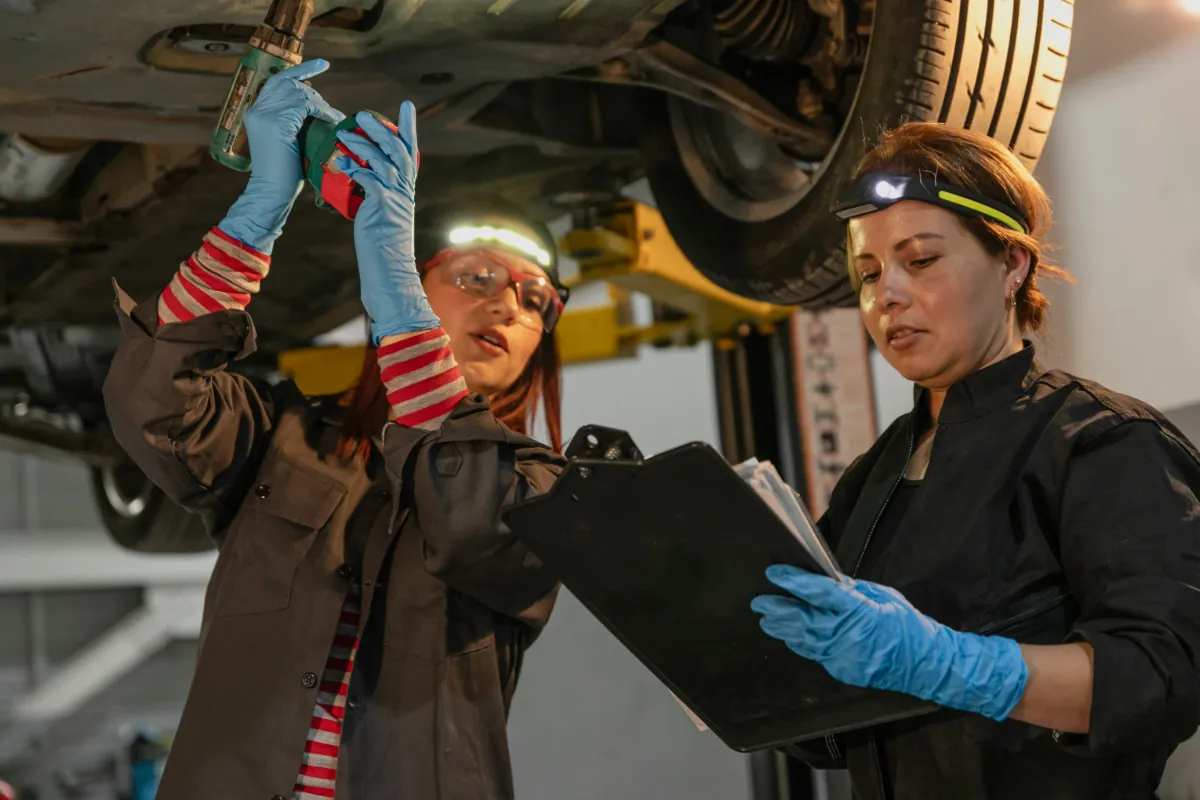
Making an informed decision when buying a used vehicle is crucial. At API Auto Repair, our Pre-Purchase Vehicle Inspections offer an unbiased, comprehensive evaluation of a used car's condition, empowering you to buy with confidence. Our detailed inspection covers all major systems, including the engine, transmission, brakes, suspension, steering, electrical components, and a thorough check for any signs of accident damage or structural issues. We also perform a road test to assess performance under real-world driving conditions. You'll receive a detailed report outlining any existing problems, potential future concerns, and estimated repair costs, helping you negotiate a fair price and avoid unexpected expenses down the road.
A pre-purchase vehicle inspection (PPI) is one of the most valuable services a buyer can invest in before purchasing a used vehicle. The hour or two and $125–$200 spent on an independent professional inspection routinely saves customers thousands of dollars — either by uncovering serious problems that warrant walking away from the deal, or by identifying issues that can be used to negotiate the purchase price down by amounts well in excess of the inspection fee. We've performed thousands of pre-purchase inspections in Elkridge over the past three decades, and the pattern is consistent: roughly half the vehicles we inspect have issues the buyer wasn't aware of, and roughly one in five has issues serious enough that we recommend walking away.
Used vehicles sold privately are particularly likely to have undisclosed issues. The previous owner may not be intentionally hiding problems but may also have been unaware of developing issues, may have decided to sell rather than repair, or may not have noticed gradual deterioration that's now obvious to a fresh inspector. Even certified pre-owned (CPO) vehicles from dealerships sometimes have issues that the dealer's inspection didn't catch — the dealer inspections are calibrated to find issues that affect their warranty exposure rather than issues that affect long-term ownership cost. Our independent inspection has caught problems on roughly one in four CPO vehicles we've inspected, ranging from minor service items to serious mechanical concerns.
API Auto Repair's pre-purchase inspection process is built around what buyers actually need to know: what's wrong with the vehicle right now, what's likely to need attention soon, what's the financial exposure over the next 12–24 months of ownership, and is there evidence of accident damage, flood damage, or odometer manipulation that would change your willingness to buy. We don't grade vehicles on a pass/fail basis — instead, we provide detailed findings and let you decide whether the issues are dealbreakers, negotiating leverage, or acceptable items you'll address later. Our role is to give you the complete picture so you can make an informed decision.
We perform pre-purchase inspections at our Elkridge shop on vehicles brought in by buyers (with or without sellers present). The inspection takes 60–90 minutes including a road test, and we provide a detailed written report you can use directly in your negotiation or buying decision. Many of our customers come from outside Howard County specifically for our pre-purchase service — we've built a reputation across the Mid-Atlantic for thorough, honest inspections that genuinely protect buyers. We're committed to that reputation and to giving every buyer the same professional inspection regardless of vehicle value.
Features
Comprehensive Mechanical Check
Thorough inspection of engine, transmission, and drivetrain.
Electrical System Scan
Checking all electronic components and systems.
Body & Frame Inspection
Assessing for accident damage or structural issues.
Road Test
Evaluating vehicle performance under real-world driving conditions.
Signs You Need This Service
You're Buying From a Private Seller
Private-party sales lack the consumer protections that come with dealer transactions. There's no implied warranty, no recourse if problems appear after purchase, and the seller has every incentive to present the vehicle in its best light. Independent inspection is the buyer's primary protection in private transactions.
The Vehicle Is Out of Manufacturer Warranty
Vehicles past manufacturer warranty are entirely your responsibility from the moment of purchase. Any developing problems become your problems — and your financial exposure. Pre-purchase inspection identifies the items that are most likely to require expensive repair in the near term so you can budget accordingly or negotiate accordingly.
You're Considering a High-Mileage Vehicle
Vehicles with 100,000+ miles can offer good value, but they also have accumulated wear that may need attention soon. PPI on high-mileage vehicles identifies which deferred maintenance is overdue and what major service items (timing belt, water pump, transmission fluid, brake hydraulic service) may be due based on mileage.
The Asking Price Seems Surprisingly Low
Vehicles priced significantly below market value usually have something wrong that the seller knows about. Sometimes it's mechanical (failed transmission, head gasket leak), sometimes it's title-related (salvage history, lien issues), sometimes it's documentation (missing keys, lost registration). PPI uncovers many of these issues before you commit.
You're Buying From an Online Marketplace
Vehicles bought sight-unseen through Carfax, AutoTrader, Cars.com, or Facebook Marketplace are particularly risky. Photos hide a lot — undercarriage rust, paint mismatches, interior wear, mechanical issues. PPI is essential before any sight-unseen purchase, and we've helped many customers walk away from vehicles that looked great in photos but had serious problems in person.
You've Found 'The Right Car' and Don't Want to Walk Away
Emotional attachment to a specific vehicle is the buyer's worst enemy. PPI provides objective information that overrides emotional bias. When you've decided you want this car, an inspection that identifies problems doesn't have to mean walking away — but it does give you negotiating leverage and clarity about what you're committing to.
You're Considering a Project Car or Specialty Vehicle
Project vehicles, classics, performance cars, and specialty applications often have unique issues that mainstream PPI might miss. We have experience with project vehicles and can flag specialty concerns: rust progression on classic vehicles, modification quality on tuned vehicles, drivetrain wear on performance applications.
Our Service Process
- 1
Initial Consultation and Documentation Review
We begin by discussing what you know about the vehicle: asking price, seller information, advertised condition, any disclosed history, and your specific concerns. If a Carfax or AutoCheck report is available, we review it for accidents, service records, ownership history, and odometer consistency. We also ask about your intended use of the vehicle to calibrate our inspection priorities.
- 2
Visual Inspection of Exterior and Body
We inspect the exterior for paint quality, body alignment, panel gaps, signs of accident repair (paint mismatch, overspray, replaced panels, repaired structural components), windshield damage, and tire condition across all four wheels. Body inspection often reveals accident history that's not disclosed in the Carfax report — paint repairs may have happened without insurance involvement.
- 3
Interior and Cabin Inspection
We check interior wear against claimed mileage, verify all features and accessories work properly (windows, locks, mirrors, sunroof, infotainment, climate control, heated seats, etc.), test seat belts and airbag warning lights, and inspect for water damage signs (mildew smell, water stains under seats, corroded fasteners under carpet). Interior tells a story about how the vehicle was used and maintained.
- 4
Underbody and Frame Inspection on Lift
On the lift, we inspect the frame, subframe, suspension components, exhaust system, fuel system, brake hydraulic lines, fluid leaks, undercoating condition, and signs of off-road use or accident impact damage. Frame damage from prior accidents is one of the most important findings in PPI — affected vehicles often look fine cosmetically but have compromised structural integrity.
- 5
Mechanical Systems Inspection
We inspect the engine bay for fluid leaks, belt and hose condition, modification evidence, cooling system condition, battery and electrical connection condition, and any visible wear or damage. Engine compression testing is available as an add-on service for high-mileage vehicles or vehicles with suspected internal issues.
- 6
Computer Diagnostic Scan
We connect a manufacturer-grade scan tool to read all module fault codes (active, pending, and historical). Codes that have been recently cleared (suggesting the seller may be hiding issues) are visible to the right scan tool. Emissions readiness monitor status indicates whether codes have been recently cleared. Live data values reveal sensor and component condition.
- 7
Road Test Under Multiple Conditions
The road test verifies acceleration, braking, steering response, alignment, transmission shifting through all gears, AC/heating function, suspension behavior over various surfaces, and any unusual noises or vibrations. We test both city and highway conditions when feasible. Many issues only appear during driving — engine misfires under load, transmission slip during acceleration, suspension noises over specific bump types.
- 8
Detailed Written Report and Recommendation
We provide a comprehensive written report with all findings categorized by severity: deal-breaker issues, significant issues warranting price negotiation or repair before purchase, items needing attention in the near term, and routine maintenance items. The report includes estimated repair costs for major items so you can factor financial exposure into your decision.
What's Included in This Service
Comprehensive Visual Inspection
Exterior, interior, undercarriage, and engine bay all inspected systematically.
Frame and Body Damage Assessment
Frame rails, weld points, paint matching, panel gaps, and structural integrity verified.
All Major Systems Functional Check
Engine, transmission, brakes, suspension, steering, electrical, HVAC, and accessories all tested.
Tire and Wheel Inspection
Tread depth, wear patterns, sidewall condition, age, and TPMS function checked on all four wheels.
Computer Diagnostic Scan
All vehicle modules scanned for codes; emissions readiness verified for recent code clearing.
Fluid Inspection
Engine oil, transmission, coolant, brake, power steering, and differential fluids checked.
Belts and Hoses Inspection
Serpentine belt, accessory belts, and visible cooling/fuel hoses checked for condition.
Battery and Charging System Test
Battery state, alternator output, and starter draw tested under load.
Road Test on Various Conditions
City and highway driving to verify performance, handling, transmission, and noise issues.
Detailed Written Report With Photos
Comprehensive written findings with severity categorization and estimated repair costs.
Why Choose API Auto Repair
Independent Inspection With No Conflict of Interest
We're not affiliated with the seller, the dealer, or any party in the transaction. We have no incentive to overlook issues or to manufacture issues. Our only interest is providing you with accurate information so you can make an informed decision. That independence is what makes PPI valuable.
30+ Years of Pre-Purchase Inspection Experience
We've performed thousands of pre-purchase inspections in Elkridge. We know what to look for, what specific vehicles are prone to, and what hidden issues commonly turn up. That experience translates to thorough inspections that catch issues other shops miss.
Honest Recommendations, Not Bias Toward Selling Repairs
Some shops perform PPI but use it as a sales opportunity for repair work. We don't. Our PPI report is independent of any repair work — we tell you what's wrong, you decide what to do about it, and you're not obligated to use us for any subsequent repairs. Many customers buy vehicles based on our reports and use whichever shop is convenient for future service.
Detailed Written Reports You Can Use in Negotiation
Our written report is detailed enough to use directly in your purchase negotiation. Photos document specific findings; estimated costs frame the financial implications. Customers regularly negotiate purchase price reductions in excess of $1,000 based on our reports — often the report pays for itself many times over before the vehicle is even purchased.
Same-Day Reports So You Can Decide Quickly
Time is often a factor in used car purchases. We perform PPI in 60–90 minutes and provide written reports the same day. You don't have to wait days for our findings, which is especially important when you're competing with other buyers for the vehicle.
Pre-Purchase Vehicle Inspection Pricing in Elkridge, MD
Pre-purchase vehicle inspection at API Auto Repair typically runs $125–$200 depending on vehicle type and inspection scope. Standard passenger car PPI is at the low end of this range. Larger vehicles (full-size trucks, SUVs, vans) take longer to inspect thoroughly and run slightly higher. Specialty vehicles (luxury cars with extensive electronics, performance vehicles, classics, project cars) sometimes warrant extended inspection time and run $200–$300.
Add-on services that may be appropriate for specific situations: engine compression testing for high-mileage vehicles or suspected internal issues runs $75–$150. Brake fluid moisture testing runs $30–$50. Coolant testing for combustion gas presence (head gasket testing) runs $50–$100. Cylinder leakdown testing for performance vehicles runs $100–$200. We discuss whether these tests are warranted for your specific vehicle before performing them.
PPI is one of the highest-ROI services we offer. The fee pays for itself many times over in roughly 80% of inspections, either by identifying serious issues that save you from buying a problem vehicle, or by providing negotiating leverage that reduces the purchase price by far more than the inspection cost. We've had customers negotiate $3,000+ price reductions based on findings from a $150 inspection. The math heavily favors getting the inspection done before any used vehicle purchase.
Tips to Extend the Life of Your Service
Get the Inspection Before You Commit
Don't sign purchase paperwork or transfer money before the inspection is complete. Some sellers pressure buyers to commit before allowing inspection — this is almost always a red flag. Legitimate sellers have nothing to hide and welcome independent inspection.
Bring the Carfax or AutoCheck Report
Vehicle history reports complement physical inspection. Some issues — title status, accident history, recall completion — show up in history reports and not necessarily in physical inspection. Combining both gives the most complete picture.
Walk Away From Sellers Who Refuse Inspection
If a seller refuses to allow independent pre-purchase inspection at a shop of your choice, that's almost always a deal-breaker. Sellers who refuse have something they don't want you to find. The cost of walking away from a problematic vehicle is far less than the cost of buying one.
Use the Report to Negotiate, Not Just to Decide
Even if the inspection findings don't make you walk away, they're valuable for negotiation. A vehicle that needs $1,500 in repairs is worth $1,500 less than your initial offer. Sellers who are negotiating in good faith will adjust pricing based on inspection findings.
Schedule the Inspection at a Time the Seller Can Cooperate
Ideally schedule PPI on a weekday when the seller can drop the vehicle at our shop and you can join us for the report walk-through. Weekend and evening inspections are possible but limit your ability to discuss findings with the seller in real time.
Plan for Follow-Up Service After Purchase
If the inspection identifies items that need attention but don't kill the deal, plan to address them within the first month or two of ownership. Deferring repairs that are flagged in PPI usually leads to larger repair costs later. Budget for the identified items as part of your purchase planning.
Get the Inspection Even on 'Trusted' Sales
Family members, friends, and longtime acquaintances may be selling in good faith but may also not know about developing issues with the vehicle. Independent PPI is valuable in any used vehicle transaction regardless of trust level — not because you're suspicious of the seller but because the data protects both parties from unpleasant surprises after the sale.
Serving Elkridge & Howard County, MD
Howard County's used vehicle market is active because of constant population turnover from BWI airport employees, Fort Meade military families, NSA government workers, and contractors and tradespeople who relocate frequently. We see customers nearly every week purchasing vehicles from Facebook Marketplace, Craigslist, dealers throughout Howard and Anne Arundel counties, and online platforms like CarMax, Carvana, and Vroom. Each transaction type has different risks: private sales lack consumer protection, dealers may not disclose all issues, online platforms involve sight-unseen risk that PPI specifically addresses.
Maryland's vehicle inspection requirements add another consideration to PPI. Maryland requires a state safety inspection at the time of title transfer for most private-party sales. If your PPI identifies issues that would also fail Maryland State Inspection, you have additional negotiating leverage — the seller's vehicle would not legally be allowed to register without those issues being addressed. We can perform both PPI and Maryland State Inspection on the same visit when timing works out, often saving customers a separate trip.
We work with several Howard County customers who buy and sell vehicles regularly — small dealers, fleet managers, and private parties who flip vehicles. These customers value our consistency and thoroughness because they need accurate information to make business decisions. Our PPI service has become a trusted reference point in the local used vehicle market, and we maintain that reputation through honest, comprehensive inspections regardless of who is paying for the service.
What Pre-Purchase Inspection Catches That Carfax Doesn't
Vehicle history reports from Carfax, AutoCheck, and similar services are valuable but limited. They contain information that has been reported to specific data sources — typically state DMV records, insurance companies, repair shops in their data partner networks, and auction houses. What they miss is significant: undisclosed accidents that didn't involve insurance claims, repairs done at independent shops not in the report networks, mechanical issues that were never repaired, and physical condition issues that no document captures. PPI fills these gaps through direct physical inspection.
Common findings during PPI that history reports missed include paint repairs that don't match factory finish (indicating undisclosed body work), inconsistent panel gaps (indicating prior accident repair), aftermarket components that suggest modifications or repairs (custom exhaust, replaced suspension parts), undercoating that was added to mask rust or undercarriage damage, signs of flood damage in interior fasteners and under seats, rodent damage to wiring (common in vehicles that sat for extended periods), and odometer rollback evidence (interior wear inconsistent with displayed mileage).
PPI also reveals operational issues that no history report captures. We've found vehicles with timing chain noise that the seller didn't disclose, transmissions that slip under load but feel fine in light driving, AC systems that have been topped off with stop-leak chemicals masking actual leaks, brakes that pull because of stuck calipers, and steering systems with significant play that the seller didn't notice or didn't mention. These functional issues directly affect ownership cost and safety, and they're invisible without physical inspection and road testing.
Finally, PPI documents condition baselines that protect you in case of disputes. If you buy a vehicle and discover within days that something significant is wrong, your written PPI report establishes what was disclosed at purchase. This documentation has helped customers in disputes with sellers and dealers when items that weren't on the PPI report appeared shortly after purchase, suggesting the seller knew about the issue but didn't disclose it. The documentation is valuable independently of the inspection findings themselves.
Red Flags That Should Make You Walk Away
Some PPI findings rise to the level of recommending against the purchase entirely. The most serious is structural frame damage from prior accidents that wasn't repaired to factory specifications. Frame damage affects vehicle safety, alignment, and crash performance — it's not a fixable issue without major reconstruction. Vehicles with rebuilt salvage titles may have had frame damage repaired professionally, but sub-professional repairs (visible weld lines, body filler in structural areas, missing or replaced safety equipment) indicate the vehicle should not be in use.
Flood damage is another walk-away finding. Modern vehicles' extensive electronics don't tolerate water exposure well — modules corrode internally over months and years after the initial event, leading to a cascade of electrical failures over the long term. Signs of flood damage include water lines on interior surfaces, rust on fasteners that shouldn't see moisture, mildew odors that don't go away, debris in unusual locations (under carpets, in spare tire wells, behind dash panels), and dashboard warning lights that come and go. We've seen vehicles that look fine cosmetically but had been Hurricane Sandy or similar flood vehicles, and the long-term reliability is often catastrophic.
Severe internal engine or transmission damage is also typically a walk-away. Knocking from the engine, transmission slip under all conditions, blue or white smoke from exhaust, milky oil indicating coolant in the oil — these symptoms point to imminent expensive repairs that often exceed the vehicle's value. Sometimes sellers are aware of these issues and pricing accordingly, but the buyer needs to know exactly what they're committing to. We've seen customers buy vehicles thinking minor work was needed only to discover after purchase that the engine needed replacement.
Title and ownership issues are non-mechanical walk-aways. Liens that haven't been paid off, salvage or rebuilt titles when the seller claimed clean title, mismatched VINs between the title and the dashboard, or missing keys (suggesting theft history) are all serious concerns. Title issues can result in inability to register the vehicle, repossession by the legitimate owner, or other legal problems that no mechanical inspection can resolve. We flag any title concerns we identify and recommend resolving them before purchase.
Pre-Purchase Inspection for Specialty Vehicles
Standard PPI covers mainstream vehicles thoroughly, but specialty applications sometimes require additional or different inspection focus. Performance vehicles — sports cars, tuned vehicles, track-prepped cars — need attention to suspension condition (often modified), drivetrain wear (often heavier than equivalent mileage), brake condition (often heavily used), and any modification quality. Modifications can void warranties, fail emissions, or create reliability issues that aren't obvious to non-specialty inspectors. We have experience with these vehicles and can flag specialty concerns.
Classic vehicles have entirely different inspection priorities. Rust progression is the dominant concern — what's beneath the surface often differs significantly from what's visible. Mechanical systems may be original or restored to varying quality. Electrical systems on classics often have decades of additions, modifications, and patches that may be reliable or may be fire risks. Title status on classics can be complicated by historical paperwork issues. We approach classic vehicle inspection with the patience and detail it requires.
Diesel-powered vehicles — particularly diesel pickup trucks — have specific inspection points around emissions equipment, turbocharger condition, fuel system, and DEF (diesel exhaust fluid) system condition on newer diesels. Older diesels predate sophisticated emissions equipment and have different concerns. Diesel maintenance is more expensive than gasoline, so PPI on diesels is particularly valuable for understanding upcoming maintenance costs.
Electric and hybrid vehicles require specialty inspection focus on battery health, charging system condition, drivetrain function, and high-voltage system integrity. The high-voltage battery is the most expensive replacement on these vehicles — typically $8,000–$25,000 depending on model — and battery degradation can dramatically reduce range. We test battery state of health and capacity using manufacturer-grade tools where applicable, providing an honest picture of what battery condition the vehicle has at purchase.
Estimating Long-Term Ownership Cost From Inspection Findings
One of the most valuable outputs of pre-purchase inspection is realistic estimation of upcoming ownership costs. Used vehicles always have items that will need attention within the next 12 to 24 months — that's the nature of buying used. The question is whether those items are within your budget and whether the vehicle's purchase price reflects the deferred maintenance accurately. PPI findings give us specific data to make these estimates.
We typically structure long-term cost estimates around a few categories. Imminent items are repairs needed within 3 months — failing components, items that affect safety, or items that will worsen rapidly if unaddressed. Near-term items are repairs needed within 12 months based on current condition or upcoming mileage milestones. Long-term items are major service that's coming within 24 months or 25,000 miles, particularly timing belt service, transmission service, brake service, and tire replacement.
For a typical used vehicle priced in the $15,000–$25,000 range, expected ownership costs over the first 12 months often run $1,000–$3,000 above routine maintenance, depending on what the inspection identified. Some vehicles need almost nothing in year one because they were well-maintained. Others have $4,000–$6,000 in deferred maintenance that's coming due. Knowing this in advance lets you budget appropriately or negotiate accordingly. We've seen customers walk away from vehicles where the deferred maintenance was within $1,000 of the negotiated savings they could get — meaning the vehicle effectively cost what they thought they were paying.
Major-component lifespans are also a useful framework. Modern engines typically last 200,000–300,000 miles with proper maintenance. Transmissions typically last 150,000–250,000 miles. Suspension components typically need attention every 75,000–125,000 miles. Brake systems need cycles of work every 30,000–60,000 miles depending on driving. Knowing where the vehicle stands on each of these lifecycles — based on inspection findings and mileage — gives you a planning horizon for ownership.
Using Your Pre-Purchase Inspection Report Effectively
Once you have your PPI report, how you use it determines how much value you extract from the inspection. The first decision is whether to proceed with the purchase. If the report identifies deal-breakers (frame damage, flood damage, engine or transmission failure), walking away is the right answer regardless of how attractive the vehicle seemed. The second decision, if you're proceeding, is whether to negotiate price based on findings. This is where PPI typically pays for itself many times over.
Effective negotiation strategies based on PPI findings: present the report to the seller and discuss specific findings rather than handing over the report and asking for a generic discount. Sellers respond better to specific issues with cost estimates than to vague concerns. For each significant issue, calculate the estimated repair cost and propose a price reduction in that amount. Sellers may negotiate, but the documentation gives you objective basis for your position. If the seller refuses to negotiate at all on documented issues, that often indicates they're uninterested in honest dealing — sometimes a reason to walk away.
If you're proceeding without negotiation (perhaps you've already agreed on price and the inspection is for your awareness rather than negotiation), use the report to plan post-purchase service. Many PPI findings need attention but don't need it immediately. We typically categorize findings by urgency: address now, address within 3 months, address within 12 months, monitor for change. This priority list helps you budget for upcoming maintenance and avoid surprise repair costs.
Keep the PPI report as part of your vehicle ownership records. If issues develop after purchase that weren't on the report, the report is documentation that the issue developed during your ownership rather than being undisclosed at purchase. This documentation occasionally becomes important in warranty disputes, insurance claims, or legal matters. We provide PPI reports digitally so they're easy to keep organized along with other vehicle documentation.
Related Services
Certified Maryland State Inspections in Elkridge
Need a Maryland state inspection? Visit API Auto Repair in Elkridge for fast, certified service.
Check Engine Light Diagnostics in Elkridge, MD
Don’t ignore your check engine light. Get accurate diagnostics at API Auto Repair in Elkridge, MD today.
Transmission Repair in Elkridge, MD
Transmission issues? API Auto Repair in Elkridge, MD provides diagnostics, repairs, and rebuilds. Book now.
Brake Repair & Replacement in Elkridge, MD
Get expert brake repair in Elkridge, MD. API Auto Repair offers fast, safe brake service at competitive prices.
Suspension & Steering Repair in Elkridge, MD
Bumpy ride or poor handling? Get suspension and steering repair at API Auto Repair in Elkridge, MD.
Got Questions?