Last updated:
Timing Belt & Chain Replacement in Elkridge, MD
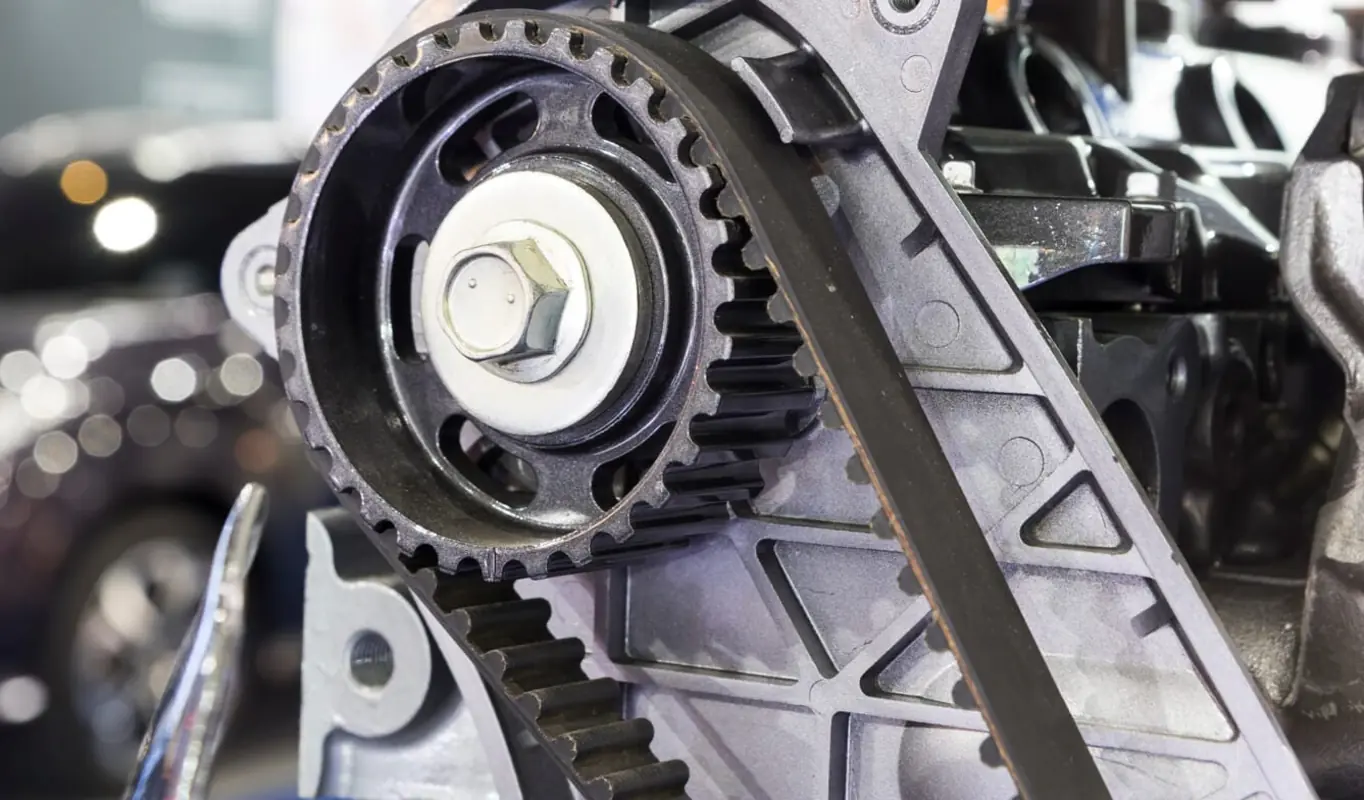
The timing belt or chain is a critical component that synchronizes your engine's camshaft and crankshaft, ensuring valves open and close at the precise moment. Failure of this component can lead to severe and costly engine damage. At API Auto Repair, we offer professional Timing Belt & Chain Replacement services at manufacturer-recommended intervals to prevent such catastrophic failures and ensure optimal engine performance. Our certified technicians meticulously replace the timing belt or chain, often including the water pump, tensioners, and idler pulleys as part of a comprehensive service, providing you with peace of mind and protecting your engine's integrity.
The timing belt or timing chain in your engine is the synchronization mechanism between the crankshaft and the camshaft (or camshafts). The crankshaft drives the pistons up and down through their compression and power strokes; the camshaft opens and closes the valves to admit air-fuel mixture and exhaust combustion gases. The timing component must keep these movements synchronized within fractions of a degree to prevent valves from contacting pistons. When timing belt or chain failure occurs, the synchronization is lost, often catastrophically. On interference engines (where valves and pistons can contact each other if synchronization fails), this typically destroys the engine. Repair costs from timing belt failures often exceed $5,000 to $10,000 when major engine components are damaged.
API Auto Repair has been performing timing belt and chain service in Elkridge for over thirty years. We've serviced timing systems on virtually every modern engine design — overhead cam, dual overhead cam, single overhead cam, pushrod V8s with timing chains, modern V6 engines with belt-driven configurations, and the increasingly complex timing systems on direct-injection engines with variable valve timing. Each design has specific service procedures, torque specifications, and component combinations that must be followed exactly. We have the manufacturer service information, specialty tools, and pattern recognition from thousands of timing services to perform this critical maintenance correctly.
Timing belts are rubber composite belts with reinforcing fibers and gear-tooth profiles that mesh with crankshaft and camshaft sprockets. They're quiet, lightweight, and inexpensive to manufacture, but they wear over time and require periodic replacement. Most manufacturers specify timing belt replacement at 60,000 to 100,000 miles depending on engine design, with some performance applications requiring earlier replacement. Stretching beyond manufacturer recommendation dramatically increases the risk of belt failure — the rubber compound becomes brittle, teeth begin to skip, and eventually the belt breaks during operation.
Timing chains are metal link chains that operate similarly to timing belts but typically last the engine's lifetime under proper maintenance. They don't have specific replacement intervals like belts but do require attention to associated components: timing chain tensioners, guides, and oil supply that lubricates the chain during operation. Chain stretching is an emerging issue on some modern engines where extended oil change intervals or specific oil types caused premature chain wear. We diagnose chain stretch through code scans (P0017 and similar variable valve timing codes) and direct measurement when accessible.
Features
Timing Belt Replacement
Replacing timing belt at recommended intervals to prevent engine damage.
Timing Chain Service
Inspecting and servicing timing chains for proper operation.
Water Pump Replacement
Often replaced with timing belt for preventative maintenance.
Tensioner & Idler Pulley Replacement
Ensuring proper tension and smooth operation of the belt/chain.
Signs You Need This Service
Approaching the Manufacturer-Specified Replacement Interval
The most reliable trigger for timing belt replacement is reaching the manufacturer-specified mileage interval — typically 60,000 to 100,000 miles. Don't wait for symptoms. Timing belts often fail without warning, and the damage from failure on interference engines is catastrophic. If you're approaching 80% of the recommended interval, schedule replacement.
Engine Misfire or Rough Running
Timing components that have stretched, jumped time, or failed can cause misfires that don't trace to ignition or fuel issues. Diagnostic codes related to camshaft or crankshaft position correlation (P0017, P0018, P0019, P0020 series) often indicate timing chain or belt problems. We diagnose these codes by checking timing component condition.
Engine Will Crank But Won't Start
A broken timing belt typically results in an engine that cranks but won't start because compression and combustion timing are completely lost. On interference engines, attempting to crank a broken-belt engine can cause additional valve and piston damage. If you suspect timing belt failure, don't continue cranking — have the vehicle towed for diagnosis.
Ticking, Slapping, or Unusual Noises From Timing Cover Area
Timing chains can produce slapping or rattling sounds when tensioners fail or chains stretch significantly. Timing belts produce different sounds — slapping or rubbing against covers when they're failing, or screeching from worn tensioner bearings. These sounds warrant immediate diagnosis before complete failure occurs.
Visible Oil Leaks Around Timing Cover
Oil leaks at the timing cover often indicate failed seals (front main seal, camshaft seals, oil pump seals). When timing covers must be removed for seal replacement, replacing the timing belt and related components at the same time costs little additional labor and addresses preventive maintenance simultaneously.
Variable Valve Timing Codes
Modern engines use variable valve timing systems that adjust valve timing based on operating conditions. VVT-related diagnostic codes often trace to timing chain stretch, timing chain tensioner failures, or oil supply issues affecting VVT actuators. These codes warrant timing system inspection.
Engine Performance or Fuel Economy Decline
Stretched timing chains shift valve timing slightly out of optimal range, reducing engine efficiency. Performance and fuel economy decline gradually over time. The decline is often dismissed as 'normal aging' but is sometimes traceable to timing chain stretch that warrants service.
Our Service Process
- 1
Vehicle History and Specification Review
We review your vehicle's service history and look up the manufacturer's specific timing belt or chain service requirements. This includes confirming whether the engine uses a belt or chain, what the recommended replacement interval is, what additional components are typically replaced together, and what specific service procedures apply to your engine.
- 2
Pre-Service Inspection
Before disassembly, we visually inspect the timing cover area for leaks or damage, scan for diagnostic codes that might indicate existing timing issues, and verify engine condition is appropriate for the planned service. If the engine has underlying problems, we identify them before opening the timing system to avoid surprises during service.
- 3
Engine Preparation and Component Removal
Timing belt service typically requires removing accessory belts, accessory components (alternator, AC compressor, sometimes power steering pump), the timing belt cover, and various brackets. Each step follows specific procedures to avoid damage to surrounding components. We document removal order and component condition for accurate reassembly.
- 4
Timing Component Inspection
With timing components exposed, we inspect the existing belt or chain, tensioner, idler pulleys, water pump (if belt-driven), and front oil seals. Components that show wear or damage are noted for replacement. This pre-replacement inspection identifies issues that simple component replacement might miss.
- 5
Component Replacement
We replace the timing belt or chain with manufacturer-specified replacement components, install new tensioners and idler pulleys (these wear together with belts; replacing only the belt risks early failure), replace the water pump on belt-driven applications, and replace front seals when accessible. Quality OEM or OEM-equivalent parts are essential for this critical service.
- 6
Timing Set Verification
After installation, we verify timing alignment using crankshaft and camshaft alignment marks, manufacturer-specific timing tools, and engine-specific procedures. Modern engines with variable valve timing have additional verification requirements. We don't reassemble until timing is verified correct — incorrect timing causes immediate engine damage when started.
- 7
Reassembly and Final Verification
We reassemble all removed components in proper order with proper torque specifications. After reassembly, we perform initial start-up while monitoring for unusual sounds or behaviors. We let the engine run through a full warm-up cycle to verify proper operation, then perform a road test to confirm performance and absence of any new diagnostic codes.
- 8
Service Documentation and Mileage Recording
We document the service in detail including the date, mileage, parts replaced, and procedures performed. This documentation establishes the baseline for the next replacement interval and supports warranty claims if any issues develop. The documentation also adds value to the vehicle when sold — service records of major maintenance like timing belts are valuable to subsequent owners.
What's Included in This Service
Timing Belt or Chain Replacement
Belt or chain replaced with OEM or OEM-equivalent component matched to engine specifications.
Tensioner Replacement
New tensioner installed with belt; tensioner wear is the leading cause of premature belt failure.
Idler Pulley Replacement
Idler pulleys replaced with belt service; their bearings wear at similar rates as belt itself.
Water Pump Replacement (Belt-Driven Pumps)
Pumps driven by timing belt replaced during belt service to prevent premature failure.
Front Engine Oil Seal Replacement
Crankshaft and camshaft seals replaced when accessible to prevent leaks at access opening.
Engine Coolant Service When Required
Coolant drained and refilled when water pump is replaced or service requires cooling system access.
Timing Verification Using Manufacturer Tools
Timing alignment verified with engine-specific tools before reassembly.
Variable Valve Timing System Verification
VVT system function verified through diagnostic scan and live data analysis after service.
Final Performance Verification
Vehicle road-tested after service; diagnostic system verified for any timing-related codes.
Detailed Service Documentation
Service date, mileage, parts replaced, and procedures recorded for future reference.
Why Choose API Auto Repair
Manufacturer-Specific Service Procedures
Each engine design has specific timing procedures that must be followed exactly. Wrong torque sequence, wrong tool, or wrong order can cause expensive engine damage. We have manufacturer service information for virtually every modern engine and follow the proper procedures rather than improvising.
Engine-Specific Specialty Tools
Many timing services require specialty tools — camshaft holding tools, crankshaft positioning tools, valve timing locks. We've invested in the appropriate tooling for the engines we commonly service. Improvising without proper tools risks valve-piston contact during service, which destroys engines.
OEM or OEM-Equivalent Parts Only
Cheap aftermarket timing components fail prematurely. We use Gates, Continental, Aisin, Bando, and similar OEM-quality timing belts; OEM or OEM-equivalent water pumps from Aisin or other quality manufacturers; and quality tensioners and idlers. The parts cost difference is small versus the labor cost of doing the work twice.
30+ Years of Pattern Recognition
Some engines have known timing issues that we've encountered many times — Chrysler 2.7L V6 timing chain failures, Honda VTEC tensioner issues, Subaru EJ timing belt service patterns, Ford Triton 5.4L timing chain stretch issues. Pattern recognition speeds diagnosis and ensures we address known issues during service rather than missing them.
Honest Discussion of Timing Service Necessity
Some shops sell timing belt service aggressively even before manufacturer-specified intervals. We follow manufacturer schedules — earlier than specified service is rarely warranted, and later than specified is risky. We discuss timing service honestly based on your vehicle's age, mileage, and current condition.
Timing Belt and Chain Service Pricing in Elkridge, MD
Timing belt service pricing varies dramatically based on engine design and access requirements. Inline four-cylinder engines with simple timing belt access typically run $600–$1,000 for complete service including belt, tensioner, idlers, water pump, and seals. V6 engines run $800–$1,400. V6 engines with transverse mounting (front-wheel-drive applications) often run higher because access is more limited. Some specialty applications — Subaru flat-four engines, certain Audi V6 designs, performance vehicle timing systems — can run $1,500 to $2,500.
Timing chain service is less common but more involved when needed. Replacement of timing chains, tensioners, guides, and related components on engines that have failed at this point typically runs $1,500 to $3,500 depending on engine. Many timing chain repairs require removing the cylinder head or other major components for access. Variable valve timing component replacement can add $500–$1,500 to chain service when those components are also failing.
We always provide detailed written estimates before any timing service work begins. The estimate includes parts costs (typically the largest component of timing service), labor costs based on manufacturer time guides for your specific engine, and any additional work that might be required (head gasket replacement if cylinder head must be removed, accessory drive belt replacement when accessory belts must come off for access). Honest pricing means no surprises during service.
Tips to Extend the Life of Your Service
Don't Skip Timing Belt Replacement at Recommended Interval
Timing belt failure on interference engines is catastrophic. The savings from skipping or delaying recommended replacement are quickly erased by the cost of repairing valve-piston damage. Follow the manufacturer's interval — it's calibrated based on the engine designer's understanding of belt longevity and failure consequences.
Replace Tensioners and Idlers With the Belt
Tensioner bearings wear at similar rates as belt deterioration. Replacing only the belt and reusing original tensioners is false economy — the new belt may fail when the old tensioner does. Most timing belt kits include the belt, tensioner, and idler pulleys as a matched set for this reason. Always replace as a set.
Combine Water Pump Replacement With Belt Service
On belt-driven water pumps, the labor required to replace the water pump is identical to the labor to replace the belt. Doing both at the same service eliminates the labor duplication of doing them separately. The pump may not be failing at the time of belt service, but it will likely need replacement before the next belt service.
Address Diagnostic Codes Related to Timing
Variable valve timing codes (P0017, P0018, P0019, P0020 series) and camshaft/crankshaft correlation codes warrant prompt attention. These codes often indicate timing chain stretch or related issues that can progress to component failure. Diagnosis distinguishes between minor sensor issues and timing system problems requiring service.
Use Correct Oil to Protect Timing Chain
Some modern engines have had timing chain stretch issues caused by incorrect oil specifications. The wrong oil viscosity or insufficient oil level accelerates chain wear and tensioner failure. Always use manufacturer-specified oil and service oil at proper intervals to maintain timing chain longevity.
Consider Pre-Purchase Inspection Focus on Timing
When buying used vehicles, particularly those approaching or past timing belt replacement intervals, the timing belt service status is a major factor in vehicle value. Documented timing belt service adds significant value; missing or undocumented service represents pending major maintenance cost. Pre-purchase inspections should specifically address timing service status.
Don't Defer Timing Service for Cost Reasons
Timing belt service can feel expensive — $700 to $1,400 is significant. The repair cost from timing belt failure on interference engines is dramatically more — $3,000 to $10,000+ depending on damage. The math always favors performing the recommended service rather than gambling on belt longevity. Plan for the service when buying vehicles approaching the interval.
Verify Service Was Done Correctly
After timing service, verify the work was done properly: ask for documentation of what was replaced, check for new diagnostic codes, monitor engine performance and any unusual sounds. Concerning symptoms after timing service warrant immediate diagnosis — sometimes minor issues during installation can be addressed before they cause damage.
Avoid Quick-Lube Shops for Timing Service
Timing belt and chain service is precision work that requires specific tools, manufacturer knowledge, and careful procedure. Quick-lube shops focused on speed-driven service models lack the expertise for timing work. Use a shop that specializes in or routinely performs major mechanical service for this critical maintenance.
Address Oil Leaks Before They Damage Belts
Engine oil contamination dramatically reduces timing belt service life. Front main seal leaks, valve cover gasket leaks, and other oil contamination affecting the belt area accelerates belt deterioration significantly. Address oil leaks promptly to protect timing belt longevity.
Keep Detailed Service Documentation
Timing belt and chain service is significant maintenance that adds value to vehicles when sold and supports warranty claims if issues develop. Keep service receipts, parts documentation, and any photos taken during service. The documentation matters for future shops working on the vehicle and for ownership records.
Combine With Major Service for Cost Efficiency
When timing belt service requires removing many engine components, combining it with other services that require similar disassembly saves significant labor costs. Common combinations include water pump service (mandatory on belt-driven pumps), serpentine belt replacement, and front engine seal replacement. Discuss bundle opportunities when scheduling.
Serving Elkridge & Howard County, MD
Maryland's stop-and-go I-95 commuter traffic generates significant heat cycling on engine components, including timing systems. Timing belts in particular benefit from longer highway driving rather than constant urban stop-and-go because sustained operating temperatures are easier on rubber components than constant heating and cooling. We see timing belts on I-95 commuter vehicles sometimes showing wear earlier than mileage alone would suggest.
We work with several Howard County customers who own vehicles with specific timing chain reliability concerns — certain Audi 2.0T engines, some Nissan VQ engines, BMW N20 engines, certain Ford EcoBoost designs. These engines have known timing chain stretch issues that warrant proactive service before catastrophic failure. We're familiar with these patterns and can advise customers when their specific vehicles are approaching the typical failure window.
Howard County's heavy use of luxury and performance vehicles — BMW, Mercedes, Audi, Porsche, Volvo — means we service many timing systems on European engines. These often have more complex timing arrangements than mainstream domestic engines, sometimes with multiple chains, electric oil pumps, and integrated VVT components. Our experience with these systems is valuable for owners who want competent service without paying dealer pricing.
Interference vs Non-Interference Engines: Why It Matters
Engine designs are categorized as either 'interference' or 'non-interference' based on what happens when timing synchronization fails. In an interference engine, the valves can extend down into the cylinder bore far enough that they would contact a piston that's at top dead center. The clearance between fully-open valves and pistons at TDC is typically just a few millimeters. As long as timing is correct, the camshaft holds the valves closed when the piston is at TDC, and the system operates safely. When timing fails — broken belt, jumped chain, lost synchronization — the valves and pistons can collide.
Non-interference engines have enough clearance between fully-open valves and pistons at TDC that contact cannot occur even if timing fails completely. These engines tolerate timing belt or chain failure without catastrophic damage — the engine simply stops running, and replacing the timing component restores operation. Non-interference designs are common on older engines and on some specific modern engine designs intentionally chosen for this safety margin.
Most modern engines are interference designs because the close valve-to-piston clearance enables higher compression ratios, better volumetric efficiency, and more complete combustion — all factors that improve fuel economy and emissions. The trade-off is that timing failure causes catastrophic damage. Manufacturers accept this trade-off because timing belt and chain reliability is generally good when service is performed at recommended intervals.
When timing belt service is overdue on an interference engine, the consequences of failure are severe. Damaged components typically include bent valves (the most common damage), damaged valve guides and seats, sometimes damaged pistons, occasionally cracked cylinder heads. Repair often requires removing the cylinder head, sending it for machine work, replacing valves, and reassembling — typically $2,000 to $4,000 in repairs. In severe cases, the entire engine needs replacement. Following the recommended timing belt service interval prevents this catastrophic outcome.
Timing Chain Stretch: A Modern Engine Problem
Timing chain stretch is an emerging issue on some modern engines that historically had been considered immune from timing-related problems. Traditional timing chains were considered lifetime components — durable enough to last the engine's full service life under normal maintenance. Modern engines with extended oil change intervals, low-viscosity oils, and high-performance designs have demonstrated that chains can stretch significantly enough to cause problems.
Several specific engines have well-documented timing chain stretch issues. Audi 2.0T engines (used in Volkswagen, Audi, and some Porsche applications from approximately 2008 to 2014) had issues where chain tensioners failed and chains stretched. BMW N20 engines (4-cylinder turbocharged engines used 2011-2017) had chain guide issues that allowed chains to skip teeth. Ford EcoBoost 1.6L and 2.0L engines had timing chain wear patterns. Various Nissan VQ engines and Toyota engines have shown similar issues in some applications.
Diagnosis of timing chain stretch involves several methods. Diagnostic codes related to camshaft/crankshaft correlation (P0017, P0018, P0019, P0020 series) often indicate stretch beyond normal limits. Direct inspection through the timing cover (when accessible without major disassembly) can identify visible chain wear. Some engines have specific test procedures that measure chain stretch precisely. We have experience with all of these methods on engines where timing chain issues are common.
Timing chain stretch repair is more involved than timing belt replacement because chains aren't on a regular service interval — repair requires actually accessing chains that the manufacturer designed for lifetime service. The repair often involves removing the cylinder head, oil pan, or other major components for access. Cost ranges from $1,500 to $3,500 depending on engine. The work is well-justified when stretch causes drivability issues or when stretch is detected before catastrophic failure occurs.
Variable Valve Timing Systems and Their Service Implications
Variable valve timing (VVT) systems adjust the timing of intake and exhaust valve opening based on engine operating conditions. The technology improves both fuel economy and power output by optimizing valve timing for low-rpm fuel efficiency and high-rpm power production. VVT systems use camshaft phasers that hydraulically rotate the camshaft sprocket relative to the camshaft itself, changing valve timing without changing the timing belt or chain alignment.
VVT system service overlaps significantly with timing component service. The phasers themselves are mounted on the camshafts and accessed when timing belts or chains are removed. Failed phasers typically warrant replacement during major timing service even if they aren't the primary reason for the service. VVT solenoids and oil control valves are often integrated into the timing system area and benefit from inspection during major service.
Common VVT issues include phaser timing drift (often caused by oil contamination in phaser hydraulics), failed VVT solenoids preventing proper actuator operation, and timing chain stretch affecting VVT calibration. Diagnostic codes specific to VVT operation (P0010, P0011, P0012 series and various manufacturer-specific codes) point to these issues. Diagnosis distinguishes between VVT-specific problems and broader timing system issues.
Some engines have particularly complex VVT systems requiring specialized service. Toyota dual-VVT engines have phasers on both intake and exhaust camshafts. BMW Valvetronic systems combine VVT with variable valve lift, requiring service of additional components. Honda VTEC systems have unique characteristics that affect timing service. We're familiar with these specialty systems and follow appropriate procedures during service.
What's Inside a Timing Belt Kit and Why Each Component Matters
Quality timing belt service kits include several components beyond just the timing belt itself. Understanding what's in the kit and why each component matters helps customers evaluate quotes and understand what they're paying for. The timing belt itself is the most visible component — a rubber composite belt with reinforcing fibers and gear teeth that mesh with crankshaft and camshaft sprockets. Belts in quality kits use synthetic rubber compounds with high-modulus reinforcing fibers (typically aramid or fiberglass) that resist stretch and tooth wear.
Tensioners maintain proper belt tension throughout operation. Hydraulic tensioners use oil pressure to maintain tension; mechanical tensioners use spring force. Tensioner bearings wear and tensioner internal mechanisms can fail. Replacing only the belt without replacing the tensioner is short-sighted because tensioner failure causes belt failure. Quality kits include matched tensioners designed to work with the included belt.
Idler pulleys redirect the belt path around obstacles in the engine bay. Idler bearings wear similarly to tensioner bearings — failure causes noise initially and can cause complete bearing collapse that breaks the belt. V6 and V8 engines often have multiple idler pulleys; quality kits include all idlers needed for the specific engine. Skipping idler replacement to save kit cost frequently leads to early belt failure when an idler fails.
Water pumps in belt-driven applications are typically included in timing belt kits because the labor to replace either component is identical. The water pump may not be failing at the time of belt service, but it likely will fail before the next belt service interval. Replacing it now eliminates the labor duplication of replacing it separately. Quality kits include OEM-quality water pumps; cheap kits sometimes include bargain pumps that fail prematurely.
Front engine seals (crankshaft front main seal, camshaft seals) are included in some kits and recommended for replacement when accessible. These seals are major sources of oil leaks in older engines and the labor to access them is included in timing belt service anyway. Replacing them as part of timing service is preventive maintenance that costs little additional labor.
When to Service Timing Components: Mileage vs Time vs Symptoms
The decision about when to service timing components depends on multiple factors that interact. Manufacturer-specified mileage intervals are the primary trigger — typically 60,000 to 100,000 miles for timing belts, with timing chains generally lasting the engine lifetime under proper maintenance. The mileage interval reflects the engineering team's analysis of belt durability under typical use conditions.
Time-based service considerations also apply, particularly for low-mileage vehicles. Rubber timing belts age regardless of mileage — chemical degradation occurs over time even when the vehicle isn't being driven. Most manufacturers specify time-based intervals along with mileage intervals (typically 5 to 7 years). Vehicles that accumulate low annual mileage should follow the time-based interval rather than the mileage-based interval. We've seen well-maintained low-mileage vehicles with timing belts that fell apart due to age despite having only 30,000 miles on the belt.
Symptom-based service is appropriate when symptoms appear before scheduled intervals. Unusual sounds from the timing area, diagnostic codes related to timing, oil leaks at timing covers, or other indicators warrant inspection regardless of mileage. Sometimes we identify timing component issues during unrelated service (like oil leak diagnosis) that warrant timing service earlier than scheduled. Better to address problems when identified than wait for scheduled service.
Pre-purchase inspection considerations matter when buying used vehicles. If a vehicle is approaching or past timing belt service interval, the service status is a major factor in vehicle value and ownership cost projections. Documented timing service adds significant value; missing or undocumented service represents pending major maintenance expense that should be reflected in the purchase price. We address timing service status as a specific item in our pre-purchase inspections on applicable vehicles.
Related Services
Engine Tune-Up in Elkridge, MD
Boost performance and fuel efficiency with an engine tune-up at API Auto Repair in Elkridge, MD.
Radiator & Cooling System Service in Elkridge
Avoid overheating. API Auto Repair in Elkridge, MD provides expert radiator and cooling system repair.
Oil Change Services in Elkridge, MD
Fast, reliable oil change service in Elkridge, MD. Visit API Auto Repair for same-day service.
Check Engine Light Diagnostics in Elkridge, MD
Don’t ignore your check engine light. Get accurate diagnostics at API Auto Repair in Elkridge, MD today.
Fuel System Services in Elkridge, MD
Rough idle or poor MPG? API Auto Repair in Elkridge, MD offers full fuel system cleaning and repair.
Got Questions?