Last updated:
Wheel Alignment in Elkridge, MD
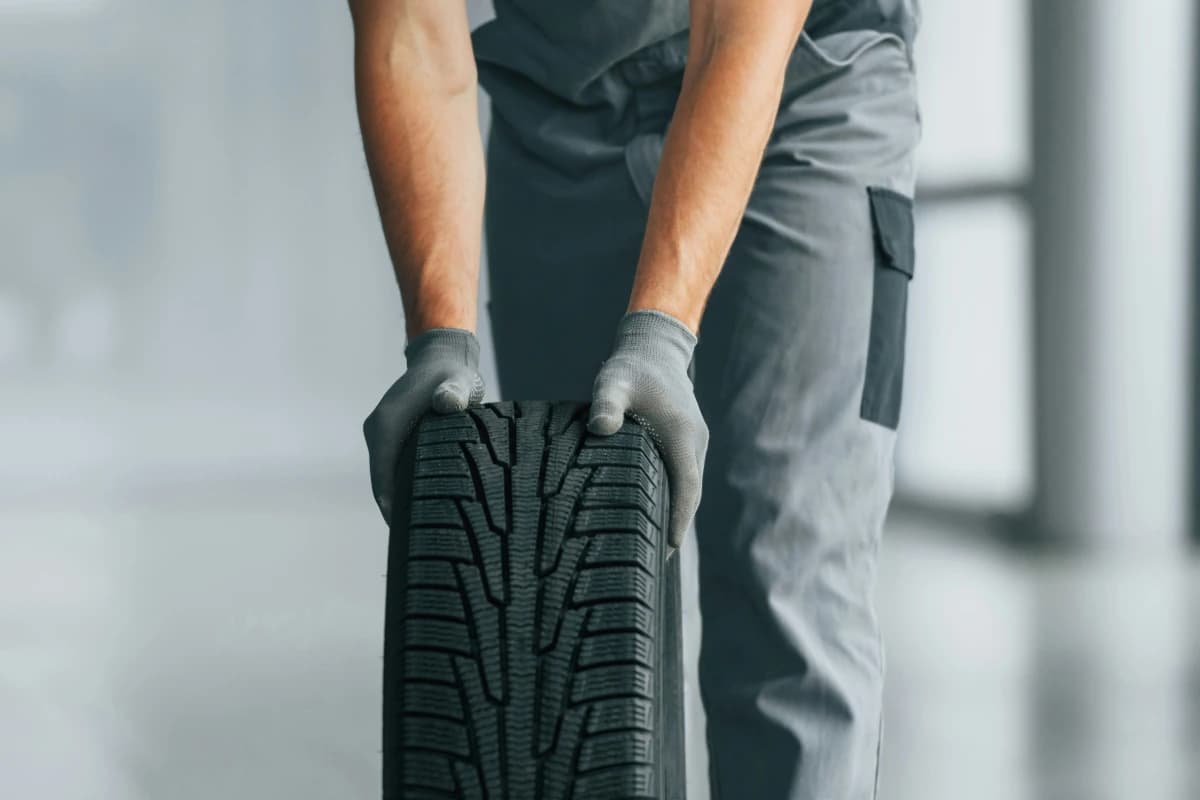
Proper wheel alignment is crucial for optimal tire wear, vehicle handling, and overall driving safety. At API Auto Repair, our precise Wheel Alignment services use advanced laser technology to ensure your vehicle's wheels are perfectly aligned to manufacturer specifications. Misaligned wheels can lead to uneven tire wear, reduced fuel efficiency, and a vehicle that pulls to one side. Our certified technicians will adjust the angles of your wheels, including camber, caster, and toe, to restore proper alignment. This service not only extends the life of your tires but also improves steering response and provides a smoother, more stable driving experience.
Wheel alignment is one of the most overlooked maintenance services and one of the highest-leverage investments a vehicle owner can make in long-term operating cost. Properly aligned wheels distribute tire wear evenly across the tread, maintain predictable steering response, optimize fuel economy by minimizing rolling resistance, and reduce stress on suspension components. Misaligned wheels do the opposite — they accelerate tire wear by 30 to 50 percent in severe cases, cause the vehicle to pull or wander, reduce fuel economy by 1 to 3 mpg, and accelerate wear on tie rod ends, ball joints, and bearings. The annual cost of misalignment in tire wear, fuel consumption, and component wear typically far exceeds the cost of an alignment service.
API Auto Repair has been performing wheel alignments in Elkridge for over thirty years using progressively more sophisticated alignment equipment. Our current alignment rack uses computer-controlled cameras and sensors mounted on each wheel that measure all alignment angles to fractions of a degree, comparing readings to manufacturer specifications stored in a database covering nearly every vehicle on the road. The technician sets adjustments while watching real-time readings, ensuring every angle ends up within manufacturer specification rather than just close to specification. The result is alignment service that actually corrects the underlying issues rather than just looking right at the rack.
Maryland driving conditions create predictable alignment problems. The combination of pothole-prone roads (particularly during freeze-thaw season from late winter through early spring), heavy commuter traffic with frequent lane changes and rapid braking, and Howard County's hilly terrain means alignment angles drift faster than in milder climates with smoother roads. We see customers regularly who had alignment work done in another state and arrive in Maryland to find their alignment significantly off after just a few months of local driving. We also see customers who didn't realize how much pothole damage was affecting their vehicle until alignment service revealed bent control arms, damaged subframes, or other impact damage that had quietly compromised their alignment.
The misalignment-tire-wear connection is direct and significant. A vehicle that's running with even moderate alignment issues will wear through a set of tires 20–30% faster than a properly aligned vehicle. On premium tires costing $800–$1,200 per set installed, that's $200–$400 in lost tire life per replacement cycle. An alignment service that costs $80–$160 typically pays for itself within the first set of tires it protects, plus additional savings in fuel and reduced suspension wear. The math heavily favors keeping alignment current rather than deferring service until problems become obvious.
Features
Precision Alignment
Using advanced equipment for accurate wheel alignment.
Tire Wear Analysis
Assessing tire wear patterns to identify alignment issues.
Steering Correction
Adjusting steering components for straight driving.
Post-Alignment Test Drive
Verifying proper handling and steering after alignment.
Signs You Need This Service
Vehicle Pulls to One Side While Driving Straight
If you have to constantly correct steering input to drive in a straight line, your alignment is likely off. Pulling can also indicate brake problems, tire pressure differences, or suspension wear, but alignment issues are the most common cause. The pull may be subtle on freshly paved roads and more pronounced on slightly crowned roads (which most roads are).
Steering Wheel Off-Center When Driving Straight
If your steering wheel is rotated noticeably to one side when the vehicle is driving straight ahead, alignment correction is needed. The off-center steering wheel indicates that toe angles aren't symmetrical between left and right wheels, or that the steering wheel itself wasn't centered during the last alignment.
Uneven Tire Wear Patterns
Tires with heavier wear on one edge — inside or outside — indicate alignment problems. Inner edge wear typically points to negative camber issues; outer edge wear points to positive camber issues. Center wear suggests overinflation rather than alignment, but most edge wear traces to alignment angles.
Cupped or Scalloped Tire Tread
Cupping is a wave-like wear pattern that develops on tires when suspension components are worn or alignment is significantly off. Cupped tires often produce a humming or whirring sound that increases with speed. The cupping pattern is permanent damage to the tire — alignment correction prevents new tires from cupping but won't restore already-cupped tires.
Vibration in Steering Wheel at Specific Speeds
While vibration is more commonly a balancing issue than an alignment issue, severe alignment problems can cause vibration as tires fight each other. Vibration that varies with vehicle speed (rather than engine RPM) usually points to wheel-related issues — balance, alignment, or tire condition.
Recent Pothole Hit, Curb Strike, or Suspension Repair
Significant impact events — hitting deep potholes, curb strikes, or off-road incidents — frequently knock alignment out of specification. Suspension repair work — replacing tie rods, control arms, ball joints, struts — also changes alignment angles. Alignment after these events isn't optional; it's essential to prevent rapid tire wear.
Recently Installed New Tires
Installing new tires on a misaligned vehicle wastes the new tires. The old tires showed alignment-related wear because the alignment was off; without correction, the new tires will follow the same wear pattern and need replacement years before they should. Alignment with new tires is essential for getting the full life out of them.
Our Service Process
- 1
Pre-Alignment Suspension Inspection
Before any alignment work, we inspect suspension and steering components for wear that would prevent successful alignment. Worn ball joints, tie rod ends with play, damaged control arm bushings, broken springs, or worn strut mounts must be corrected before alignment because they cause alignment angles to drift after adjustment. We document any wear conditions and discuss before proceeding.
- 2
Vehicle Setup on Alignment Rack
The vehicle drives onto our computer alignment rack — a precision lift with turntable wheel plates that allow the wheels to move freely during measurement. We mount alignment heads on each wheel that contain sensors and cameras measuring wheel position relative to fixed reference points on the rack.
- 3
Initial Alignment Reading and Specification Lookup
The system reads current alignment angles on all four wheels: camber (vertical tilt of each wheel), caster (forward/rearward angle of the steering pivot), and toe (whether wheels point inward or outward). Current readings compare to manufacturer specifications for your specific vehicle, which the system retrieves from a database covering virtually every vehicle in production.
- 4
Steering Wheel Centering
Before adjusting alignment angles, we ensure the steering wheel is properly centered. Off-center steering wheels often indicate prior alignment work that didn't address centering, or asymmetric tie rod adjustment. Centering happens during the alignment process by adjusting tie rods symmetrically.
- 5
Front Toe Adjustment
Front toe is typically the most impactful adjustment for tire wear. We adjust each front tie rod (inner sleeve threaded between inner and outer tie rod ends) until front toe is within specification. The adjustment is verified with the steering wheel locked in centered position to ensure symmetric toe values.
- 6
Rear Toe Adjustment When Applicable
Many modern vehicles have adjustable rear toe through eccentric cams or adjustable arms. We adjust rear toe to specification when adjustable. Vehicles with non-adjustable rear toe sometimes indicate suspension wear or accident damage if rear toe is significantly off — we discuss findings with you when this is the case.
- 7
Camber Adjustment Where Applicable
Camber adjustment availability varies by vehicle. Some vehicles have factory-adjustable camber; others require aftermarket camber kits to adjust. We adjust to specification on adjustable vehicles and recommend camber kits when needed for vehicles with significant camber issues. Camber adjustments often follow toe adjustments because they affect each other.
- 8
Final Verification and Print
After all adjustments, we verify final alignment readings against specification. The system prints a before-and-after report showing original measurements and final measurements for all wheels. You receive this printout for your records — it documents the alignment work and provides a baseline if alignment issues recur in the future.
What's Included in This Service
Pre-Alignment Suspension Inspection
Suspension and steering components checked for wear that would affect alignment success.
Computer Alignment Measurement
All four wheels measured for camber, caster, and toe with precision sensors.
Manufacturer Specification Lookup
Specifications for your specific vehicle retrieved from comprehensive alignment database.
Steering Wheel Centering
Steering wheel properly centered as part of alignment process.
Front Toe Adjustment
Front wheel toe angles adjusted to specification through tie rod sleeves.
Rear Toe Adjustment Where Adjustable
Rear toe adjusted on vehicles with adjustable rear suspension.
Camber Adjustment Where Adjustable
Camber angles adjusted to specification on vehicles with adjustable camber.
Caster Verification
Caster angles verified within specification (caster is rarely adjustable on most vehicles).
Before-and-After Report Printout
Documentation of original and final alignment values printed for your records.
Test Drive Verification
Brief drive after alignment to verify proper steering response and no pulling.
Why Choose API Auto Repair
Computer Alignment Rack With Current Specifications
Our alignment rack uses precision sensors and a comprehensive specifications database covering virtually every vehicle on the road. We can align everything from compact cars to full-size pickups, performance vehicles, lifted trucks, and lowered cars. The equipment is calibrated regularly to maintain measurement accuracy.
Pre-Alignment Inspection Catches Underlying Issues
Many shops align vehicles without first checking that suspension components are within tolerance. Aligning a vehicle with worn ball joints or tie rods produces alignment that's correct at the moment but drifts back out of specification within thousands of miles. We inspect before adjusting and address underlying issues.
Honest Recommendations on Alignment Frequency
Some shops recommend alignment service every oil change to maximize revenue. We recommend alignment when it's actually needed — typically annually, after significant impact events, after suspension work, and when new tires are installed. We don't push unnecessary alignments on vehicles that are still within specification.
Free Alignment Check When You Suspect Issues
If you're not sure whether your vehicle needs alignment but suspect it does (recent pothole, uneven tire wear, slight pull), we offer free alignment checks that measure current angles and tell you whether adjustment is warranted. No pressure to proceed if everything is within specification.
Discounted Alignment Bundled With Tire Service or Suspension Work
Alignment is essential after new tire installation and after suspension work. We bundle alignment with these services at a reduced rate compared to standalone alignment pricing — often saving 25–40% versus separate appointments.
Wheel Alignment Pricing in Elkridge, MD
Wheel alignment pricing at API Auto Repair varies based on vehicle type and adjustment scope. Standard two-wheel alignment for vehicles with non-adjustable rear suspension runs $80–$110. Four-wheel alignment for vehicles with adjustable rear suspension runs $100–$160. Trucks, large SUVs, and vehicles with specialty suspension components (lifted, lowered, or modified) may run slightly higher due to additional labor or specialty adjustment requirements.
Bundled pricing applies when alignment is performed as part of related service. Alignment with new tire installation typically runs $50–$80 versus the standalone price. Alignment after suspension repair work (replacing tie rods, control arms, ball joints, struts) is often included or significantly discounted as part of the suspension service. We discuss bundling options when scheduling so you maximize value.
Add-on services that may apply: alignment with thrust angle adjustment (for vehicles with rear-axle issues) runs at standard four-wheel pricing. Camber kit installation for vehicles requiring aftermarket camber adjustment is priced based on the kit cost plus installation labor. Pre-alignment suspension repair if needed is quoted separately based on what's required. We provide written estimates for any work beyond standard alignment before proceeding.
Tips to Extend the Life of Your Service
Get Alignment Checked Annually
Annual alignment checks catch developing issues before they cause significant tire wear. Maryland's road conditions accelerate alignment drift; annual checking is appropriate for most vehicles. We perform free alignment checks on vehicles in the shop for other service when timing allows.
Always Get Alignment After New Tire Installation
New tires deserve to wear evenly across their full life. Installing new tires on a misaligned vehicle wastes the new tires by following the same wear pattern that wore out the old ones. The alignment cost is small compared to the cost of premature tire replacement.
Get Alignment After Pothole or Curb Impacts
Significant impacts from potholes or curb strikes frequently knock alignment angles out of specification, sometimes also bending suspension components. Get alignment checked after any major impact even if the vehicle seems to drive normally — small alignment issues become large tire wear problems over time.
Address Suspension Wear Before It Affects Alignment
Worn suspension components cause alignment to drift out of specification. Aligning a vehicle with worn components is a temporary fix; the underlying wear continues and the alignment shifts again within months. Address suspension issues first, then align.
Maintain Proper Tire Pressure
Underinflated tires cause cornering loads that stress alignment-related components. Overinflated tires concentrate wear in the center tread, masking alignment issues that would normally show as edge wear. Proper tire pressure (matching the door jamb placard) lets alignment do its job correctly.
Don't Drive Long Distances With Pulling or Wandering
Driving with pulling or wandering steering accelerates tire wear and can stress alignment components. If you notice pulling, get alignment checked promptly rather than driving thousands of miles fighting the steering. The damage to tires often exceeds the cost of alignment many times over.
Save Your Alignment Reports
Keep the before-and-after printout from each alignment service. Comparing readings over time reveals patterns — drift in specific angles points to specific underlying issues. The reports also document service for warranty claims, vehicle resale, and diagnostic baselines if symptoms develop later.
Drive Carefully for the First 50 Miles After Alignment
Alignment-related components and adjustments need a brief break-in period to settle. Avoid aggressive driving, hard cornering, and high-speed runs for the first 50 miles after alignment service. The break-in period helps adjustments stabilize at their final values.
Inspect Tires Monthly for Early Wear Signs
Monthly tire inspection catches alignment-related wear before it becomes severe. Run your hand across the tire tread — uneven wear feels different from worn but even tread. Edge wear, cupping, and feathering all indicate alignment-related issues that should be addressed before significant tire damage occurs.
Combine Alignment With Tire Rotation
Tire rotation and alignment are complementary services. Rotation prevents asymmetric wear from front-rear weight distribution; alignment prevents asymmetric wear from steering angle issues. Combining them at appropriate intervals — typically alignment annually with rotation every 5,000 to 7,500 miles — produces the longest tire life and most predictable handling.
Check Alignment Before Long Trips
If you have a long road trip planned, get alignment checked before leaving. Highway driving on a misaligned vehicle wears tires faster than city driving, and a long trip can do more damage to tires than weeks of normal commuting. The pre-trip alignment check is cheap insurance against tire problems on the road.
Be Cautious of Alignment-Only Specials That Skip Inspection
Bargain alignment specials that promise quick service often skip the pre-alignment suspension inspection that ensures alignment success. Aligning a vehicle with worn tie rod ends or ball joints produces alignment that drifts back out of specification within thousands of miles. Pay slightly more for proper service and skip the bargain alignment that will need redoing.
Serving Elkridge & Howard County, MD
Howard County's pothole-prone roads create predictable alignment challenges. The freeze-thaw cycles that develop new potholes weekly during late winter and early spring damage suspension and alignment more here than in milder climates. We see seasonal spikes in alignment work between February and May as customers discover that winter potholes affected their vehicles more than they realized at the time. Many vehicles arrive needing both alignment and minor suspension repair from impacts that customers had dismissed as 'just a bump.'
Stop-and-go traffic on I-95, I-695, and US-1 stresses alignment-related components through constant micro-movements at the steering knuckles, ball joints, and tie rod ends. Vehicles used primarily for Howard County commuting tend to need alignment service somewhat more frequently than vehicles used for highway-dominant driving in less congested areas. We typically recommend alignment checks every 12,000–15,000 miles for I-95 commuters versus annual or 18,000-mile checks for less-stressed driving patterns.
We work with several Howard County customers who own modified vehicles — lifted trucks, lowered sport sedans, off-road-prepped Jeeps. These vehicles often have non-standard alignment requirements and may need specialty adjustment kits to bring alignment within usable specifications. We have experience with these applications and can advise on what's achievable. Some modifications fundamentally cannot be aligned to factory specifications, in which case we discuss compromise alignment that produces the best practical handling and tire wear within the modification's constraints.
Understanding Camber, Caster, and Toe: The Three Alignment Angles
Wheel alignment involves three distinct angles, each affecting handling and wear differently. Toe is the angle at which the wheels point relative to vehicle centerline when viewed from above. Toe-in means the wheels point slightly inward; toe-out means slightly outward. Most vehicles specify a small amount of toe-in or zero toe at the front for stable highway tracking, with rear toe varying by design. Out-of-specification toe is the most common cause of accelerated tire wear because mis-toed wheels essentially scrub sideways across the road as they roll forward.
Camber is the vertical tilt of the wheel viewed from the front. Negative camber tilts the top of the wheel inward toward the vehicle; positive camber tilts the top outward. Most vehicles specify slight negative camber (typically -0.5 to -1.0 degrees) for performance reasons — the wheel's contact patch optimizes during cornering when the suspension compresses. Excessive negative camber causes inner edge tire wear; excessive positive camber causes outer edge wear. Camber adjustments are sometimes needed after suspension work or as compensation for road crown effects.
Caster is the forward or rearward angle of the steering pivot axis viewed from the side. Positive caster (the pivot leans rearward at the top) provides steering self-centering and stability at speed. Most vehicles specify moderate positive caster, typically 2 to 6 degrees. Caster is often non-adjustable on modern vehicles — significant caster discrepancies usually indicate suspension damage from impact or installation errors during prior repair. Caster issues affect steering feel more than tire wear directly.
These three angles interact during alignment. Toe adjustments often slightly affect camber readings. Camber adjustments can shift caster slightly. Modern computer alignment rack accounts for these interactions during the adjustment process, taking measurements continuously as adjustments are made and verifying final values across all angles. The complexity of multi-angle interaction is why precision alignment equipment matters — string alignments and basic angle gauges can't account for these interactions.
Why Alignment Specifications Vary by Vehicle and Why Generic Alignment Fails
Each vehicle has specific alignment specifications designed by the manufacturer based on suspension geometry, intended use, and target handling characteristics. A sports sedan designed for performance handling has different optimal angles than a luxury sedan designed for comfort. A pickup truck designed for hauling has different specifications than the same truck modified for off-road use. Even within a single model line, specifications can vary by year (after design updates) or by specific package option (sport suspension vs base suspension).
Generic alignment that ignores these specifications produces poor results. Some shops use single 'good enough' specifications across all vehicles to simplify operations. The vehicle leaves the shop with alignment that's close to specification on average but may be significantly off for that specific vehicle. The result is suboptimal handling, accelerated tire wear, and a vehicle that doesn't drive as the manufacturer intended. Quality alignment requires looking up exact specifications for the specific vehicle and adjusting to those values, not to general approximations.
Modern alignment equipment includes comprehensive specification databases covering virtually every vehicle. These databases are updated regularly as manufacturers release new vehicles and as service bulletins update specifications for existing vehicles. Our equipment includes current specifications, which is why we can align an obscure import or specialty vehicle correctly even if we haven't worked on that specific model previously. The combination of specifications and precision equipment produces alignment that meets the manufacturer's actual intent for the vehicle.
The specifications database also helps identify when something is wrong with the vehicle that prevents proper alignment. If we can't bring a vehicle into specification despite proper adjustment work, the cause is usually suspension damage, frame damage, accident-related geometry issues, or aftermarket modifications affecting alignment capability. We diagnose these conditions when we encounter them and discuss options — sometimes specialty kits address the issue, sometimes the underlying damage needs repair before alignment is possible.
How Alignment Affects Fuel Economy and Tire Life
The economic impact of misalignment is significant but often underappreciated because the costs accumulate gradually rather than appearing as a single bill. Misaligned wheels create rolling resistance that the engine must overcome, reducing fuel economy. Studies have documented fuel economy losses of 1–3 mpg from significant misalignment, which translates to $50–$200 per year in additional fuel cost for a typical commuter vehicle. The fuel cost alone often justifies regular alignment service.
Tire wear costs are even more significant. Properly aligned vehicles wear tires evenly, with full tread life realized — typically 50,000 to 70,000 miles for quality all-season tires. Misaligned vehicles wear tires unevenly, often reaching the legal minimum tread depth on one section while other sections still have substantial tread remaining. The unusable tread represents lost tire life and accelerated replacement. Severe misalignment can reduce tire life by 50% — replacing tires twice as often as necessary at $800–$1,200 per set.
Suspension component wear accelerates with misalignment. Tie rod ends, ball joints, and bearings all bear additional loads when wheels are pulling against each other or scrubbing sideways. The increased loads accelerate wear of these components, leading to earlier replacement. The cumulative cost of accelerated suspension wear can be hundreds to thousands of dollars over the life of a vehicle.
When you total the fuel costs, tire wear costs, and component wear costs of running misaligned, the math heavily favors regular alignment service. An $80–$160 alignment performed annually typically saves $200–$600 per year in fuel, tires, and components. Over the life of a vehicle, regular alignment service might cost $1,000–$1,500 cumulative while saving $5,000+ in operational costs. Few maintenance services have this kind of return on investment.
How Often Should You Get Alignment? Mileage and Time-Based Guidance
There's no universal answer to alignment frequency — it depends on driving conditions, vehicle type, and what's happened since the last alignment. We can offer some general guidance that works well for most Howard County customers. The baseline recommendation for most passenger vehicles is alignment service every 12 months or 12,000 to 15,000 miles, whichever comes first. This interval catches alignment drift before it produces significant tire wear and accommodates the typical accumulated impacts of regional driving conditions.
Several conditions warrant more frequent alignment. Vehicles that frequently encounter rough roads, potholes, or off-pavement conditions benefit from more frequent alignment — every 6 to 9 months for severe service. Vehicles used commercially with high mileage may need alignment every 25,000 to 35,000 miles regardless of calendar time. Vehicles with active suspension wear that hasn't been fully repaired may need realignment every few months because the worn components allow alignment to drift.
Specific events should trigger alignment regardless of last service date. Significant pothole impacts that you can feel through the steering wheel — get alignment checked. Curb strikes hard enough to deflect the steering wheel — get alignment checked. Any suspension repair work that replaces tie rods, control arms, ball joints, or struts — alignment is essential, not optional. New tire installation — alignment is essential to protect the new tires. Significant changes in handling or pulling — alignment is the appropriate first diagnostic step.
The reverse — situations where alignment isn't needed despite some symptoms — also matters. Slight pull on heavily crowned roads is normal even on properly aligned vehicles. Vibration that varies with speed is usually wheel balancing rather than alignment. Steering wheel that's slightly off-center after recent tire rotation may just need adjustment, not full alignment. We diagnose before recommending alignment to ensure we're solving the right problem rather than charging for unnecessary service.
Alignment for Modified Vehicles: Lifted, Lowered, and Off-Road Builds
Modified vehicles present alignment challenges that mainstream alignment service often handles poorly. Lifted trucks, lowered sport sedans, vehicles with aftermarket suspension, and off-road-prepped vehicles often have alignment angles that fall outside factory specifications when set up to match the modifications. Aligning these vehicles requires understanding the modification, knowing what alignment specifications are achievable, and using specialty parts when needed to bring angles into safe operating ranges.
Lifted trucks particularly suffer from alignment issues because the lift kit changes suspension geometry significantly. Without compensating modifications — adjustable upper control arms, drop pitman arms, alignment correction kits — lifted trucks often have severe positive camber, severe positive caster (or sometimes negative caster), and toe that can't be adjusted into specification. We work with customers on lifted trucks to understand what their lift kit was designed to accommodate and bring alignment to the best achievable values, often recommending specific aftermarket parts to enable proper alignment.
Lowered vehicles have the opposite problem — typically severe negative camber as the suspension compresses in static state. Aftermarket camber kits, adjustable control arms, or rear camber arms allow these vehicles to be aligned within usable ranges. Some lowering setups fundamentally cannot achieve factory specifications and require compromise — we discuss with customers what trade-offs are acceptable for their priorities.
Off-road-prepped vehicles often have aftermarket suspension designed for travel and articulation rather than on-road precision. These vehicles may have alignment that's looser than factory specifications by design. The goal isn't always strict factory compliance — it's safe and predictable on-road behavior with the suspension capabilities the customer needs off-road. We work with customers to understand their priorities and align for their actual use.
Related Services
Tire Services in Elkridge, MD
Need new tires or a rotation? API Auto Repair offers fast, affordable tire service in Elkridge, MD. Schedule your visit today.
Suspension & Steering Repair in Elkridge, MD
Bumpy ride or poor handling? Get suspension and steering repair at API Auto Repair in Elkridge, MD.
Brake Repair & Replacement in Elkridge, MD
Get expert brake repair in Elkridge, MD. API Auto Repair offers fast, safe brake service at competitive prices.
Certified Maryland State Inspections in Elkridge
Need a Maryland state inspection? Visit API Auto Repair in Elkridge for fast, certified service.
Car Battery Testing & Replacement in Elkridge
Dead battery? Visit API Auto Repair in Elkridge, MD for fast testing and high-quality battery replacements.
Got Questions?